
YET Architecture
BIO_BOT
AA EmTech MSc Dissertation — London, UK, 2021–2022
BIO_BOT — EmTech Dissertation / Urban Ecological System
Data
Credits
About the Project
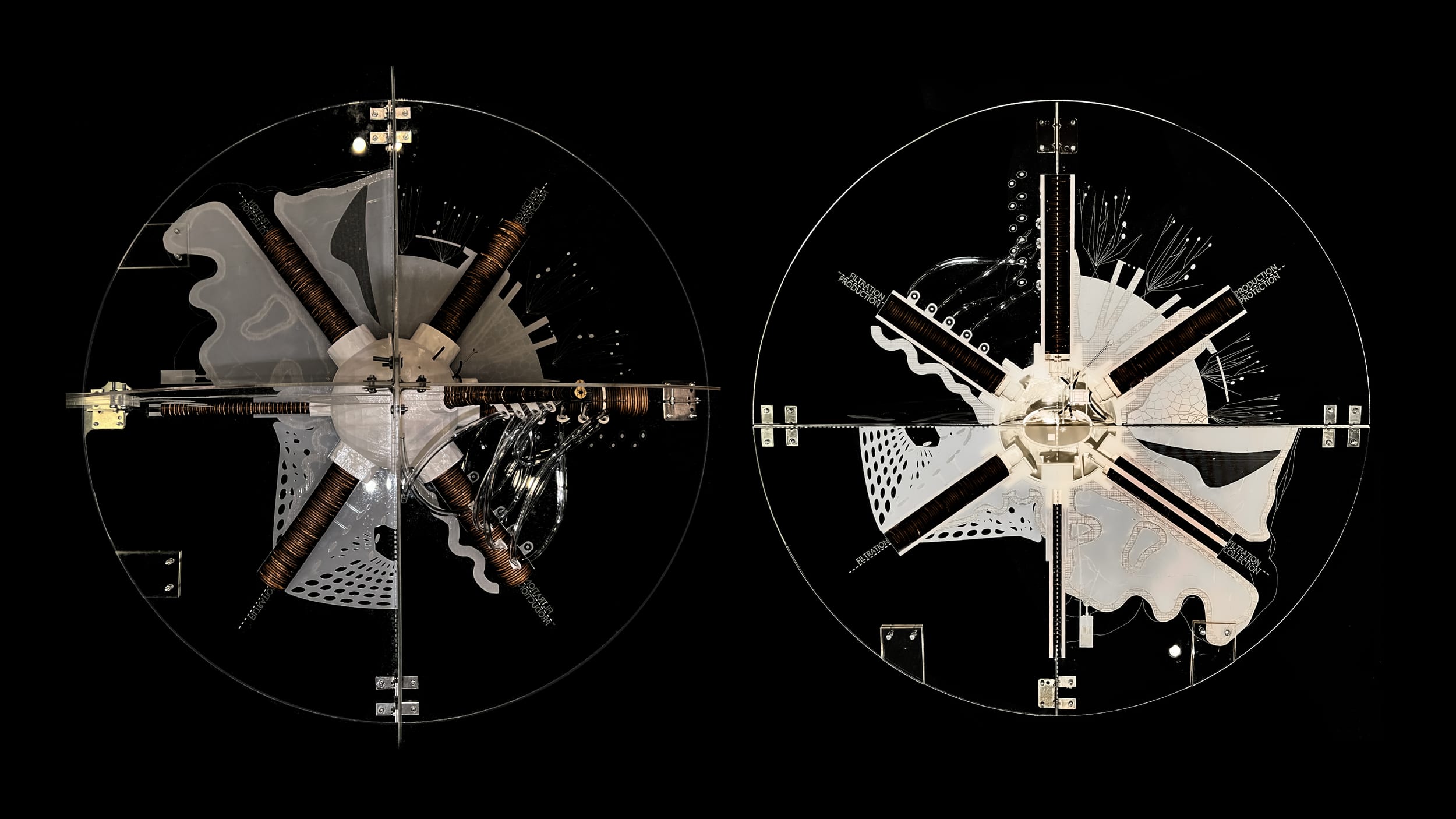
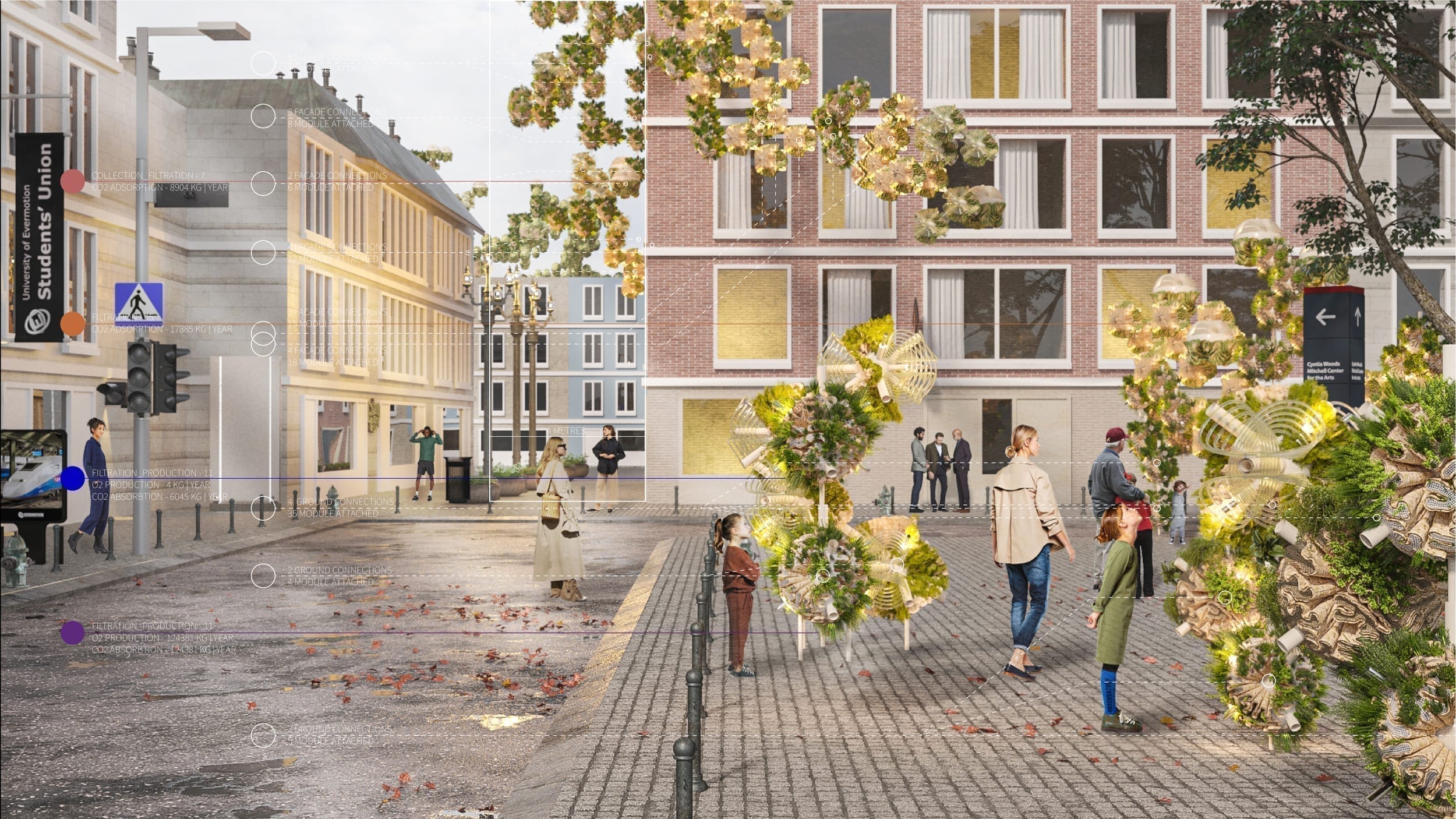
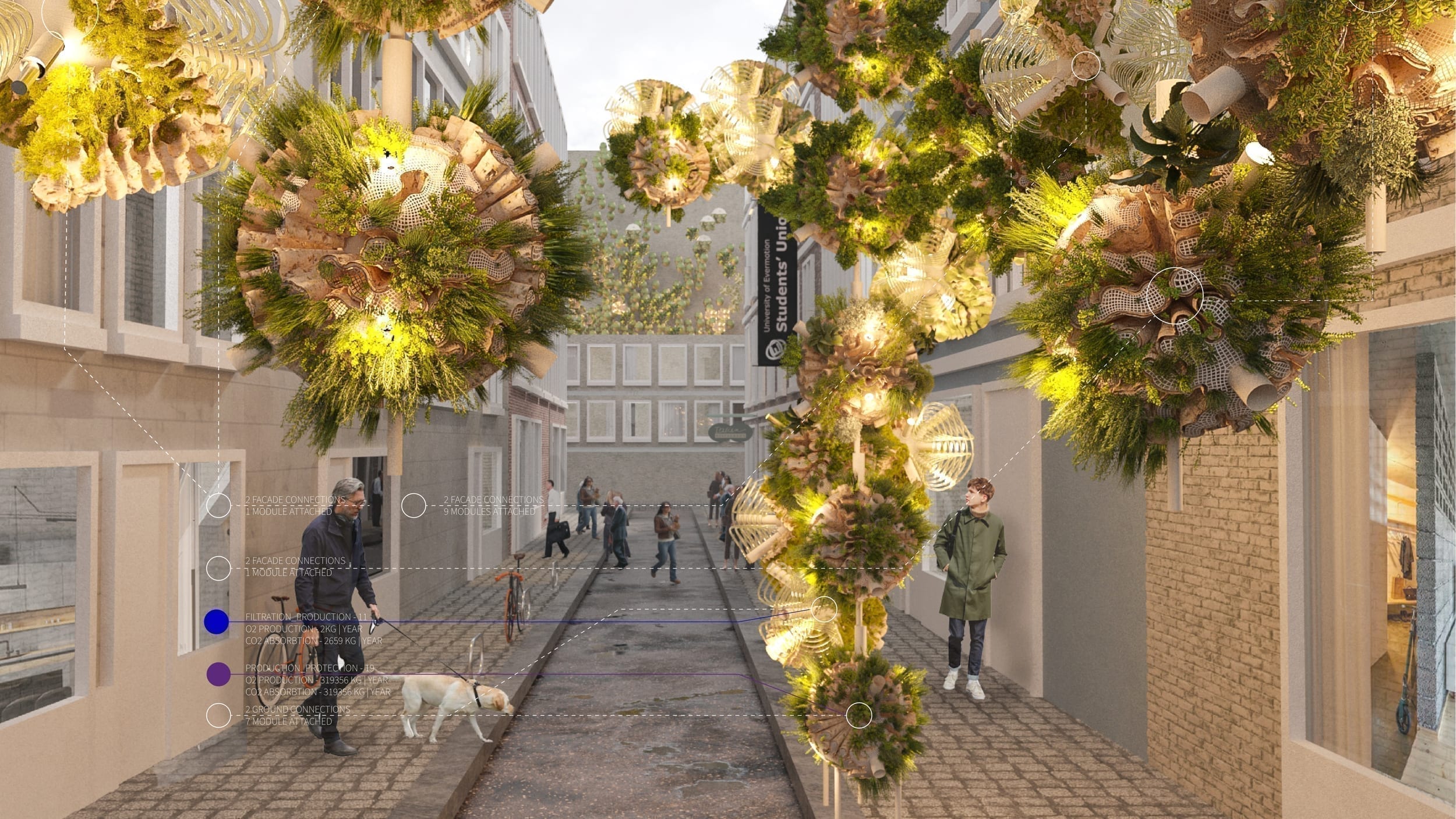
The fragmentation of the natural landscape and pollution caused by human activity accelerates the degradation of the ecosystems already hanging in precarious balance; under this domain, the research proposes a mitigating solution. The purpose of the project is to create a new green network that links existing green tissue and re-connects green spaces to London's Green Belt. The network that has been established operates within the threshold of interstitial spaces, revitalising underutilised spaces into public spaces and enhancing the environmental conditions of existing ones. Composed of “bio-bot” modules, or ecological machine hybrids, it has a direct adaptability to be implemented in different spatial contexts, thresholds and environmental scenarios. The creation of four functional modules, for the purpose of filtration, production, collection and protection, is the emphasis of the research. The biological development of its material behaviour will be synergistic with the evolutionary design process employed to optimise the morphological development of bio-bot modules while considering local environmental conditions. The system will define a new symbiotic and metabolic engagement through which the relationship between human participants and non-human species using living green tissue augments the existing environment.
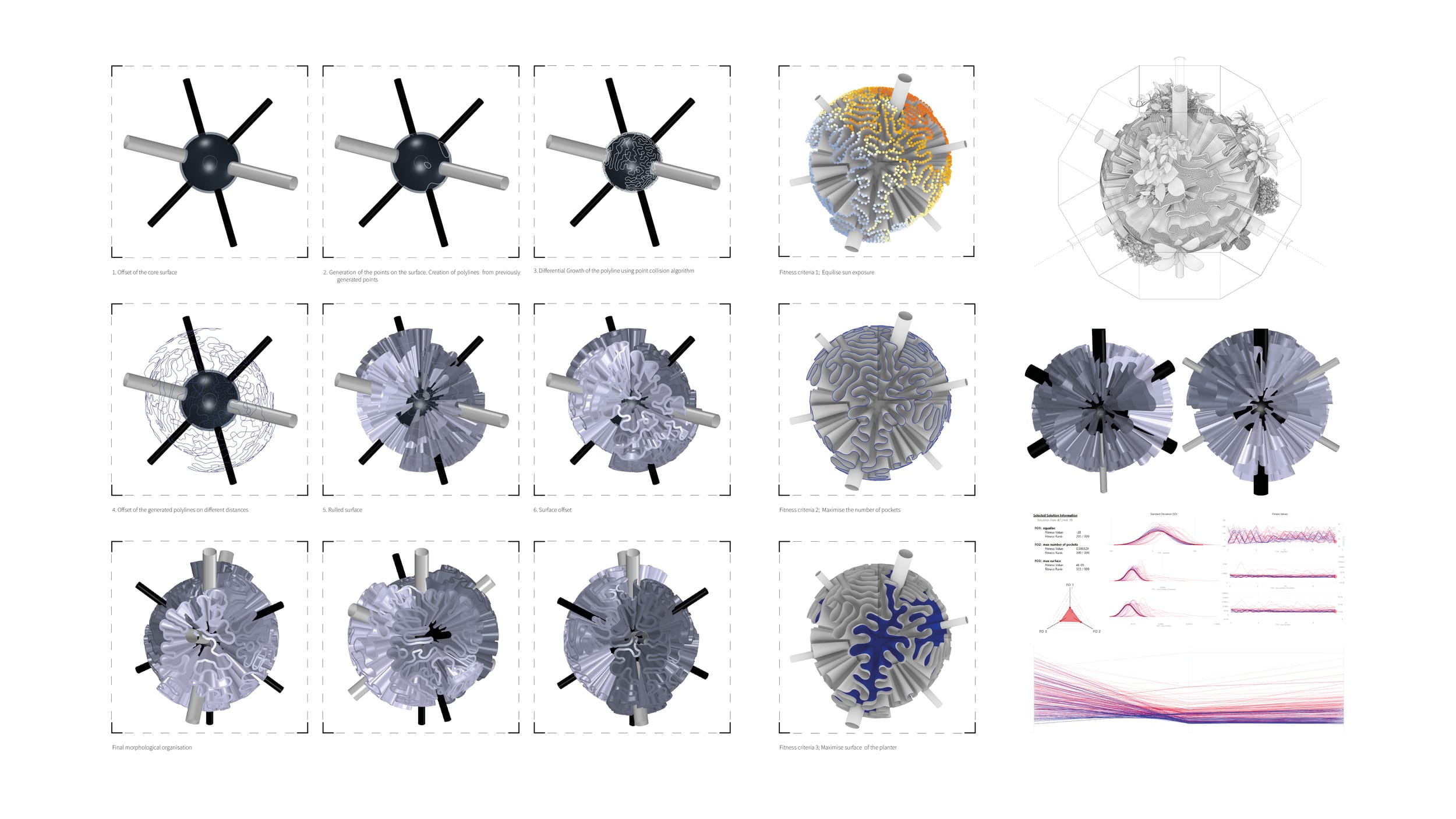
PRODUCTION_PROTECTION COMPONENT
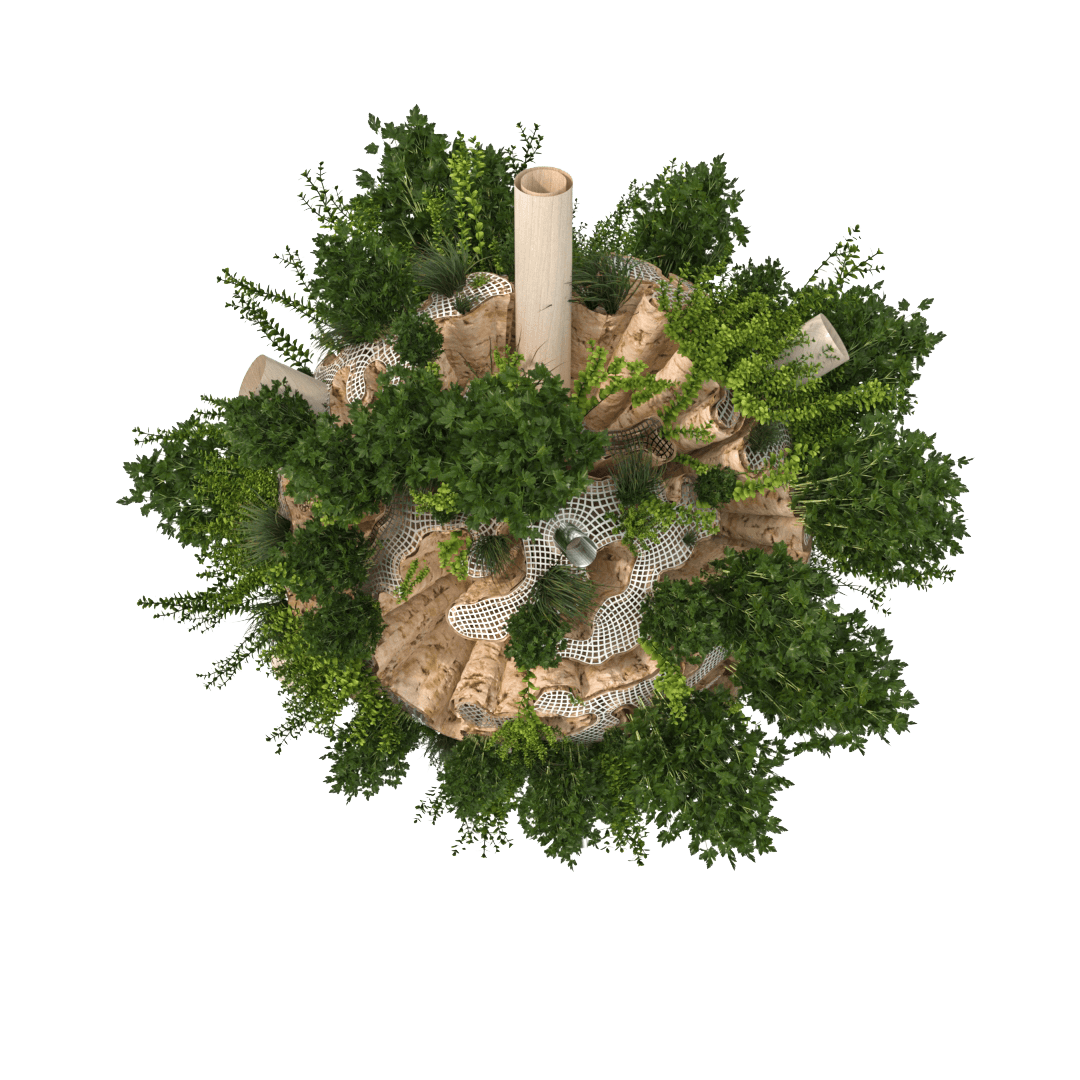
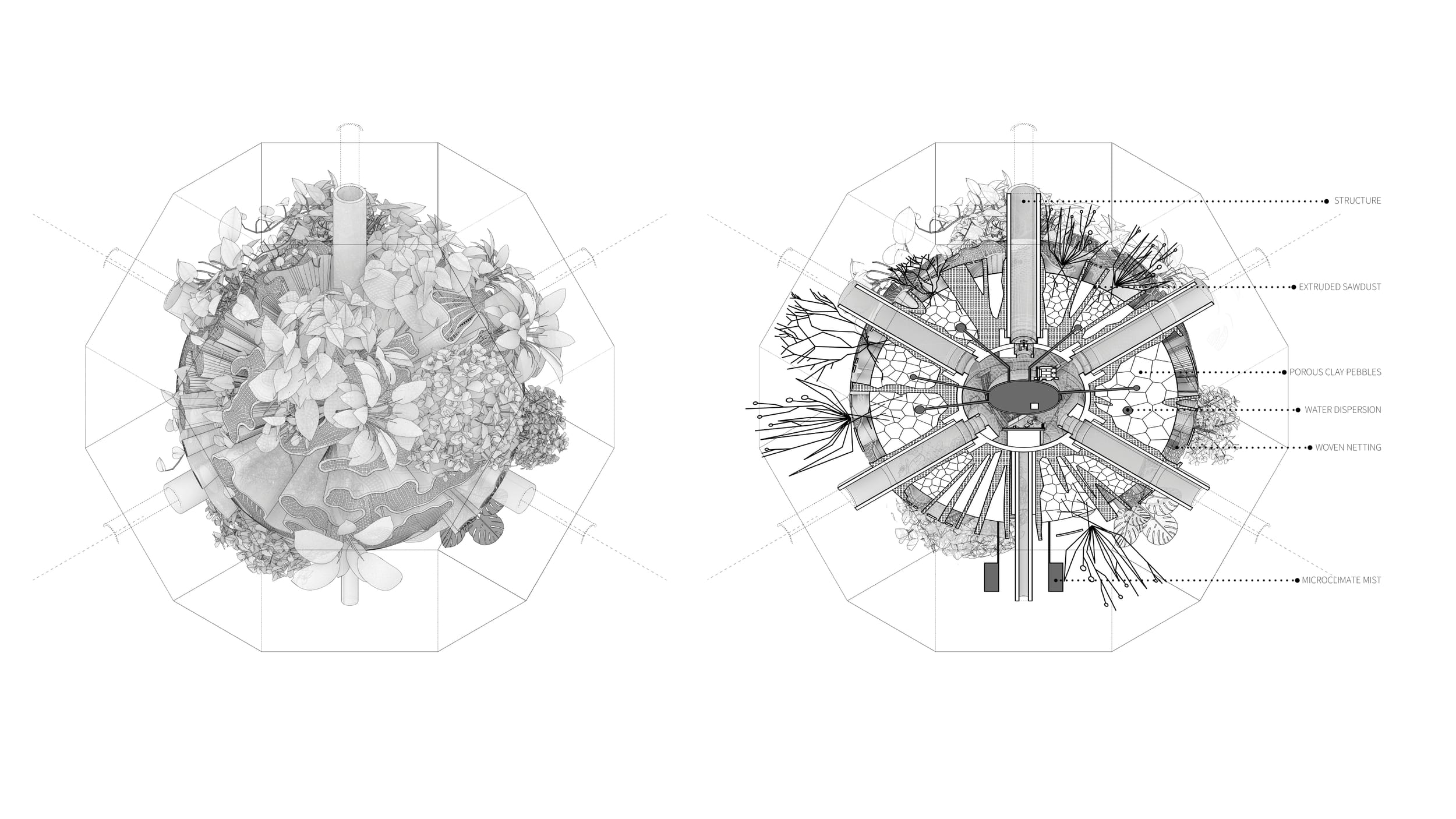
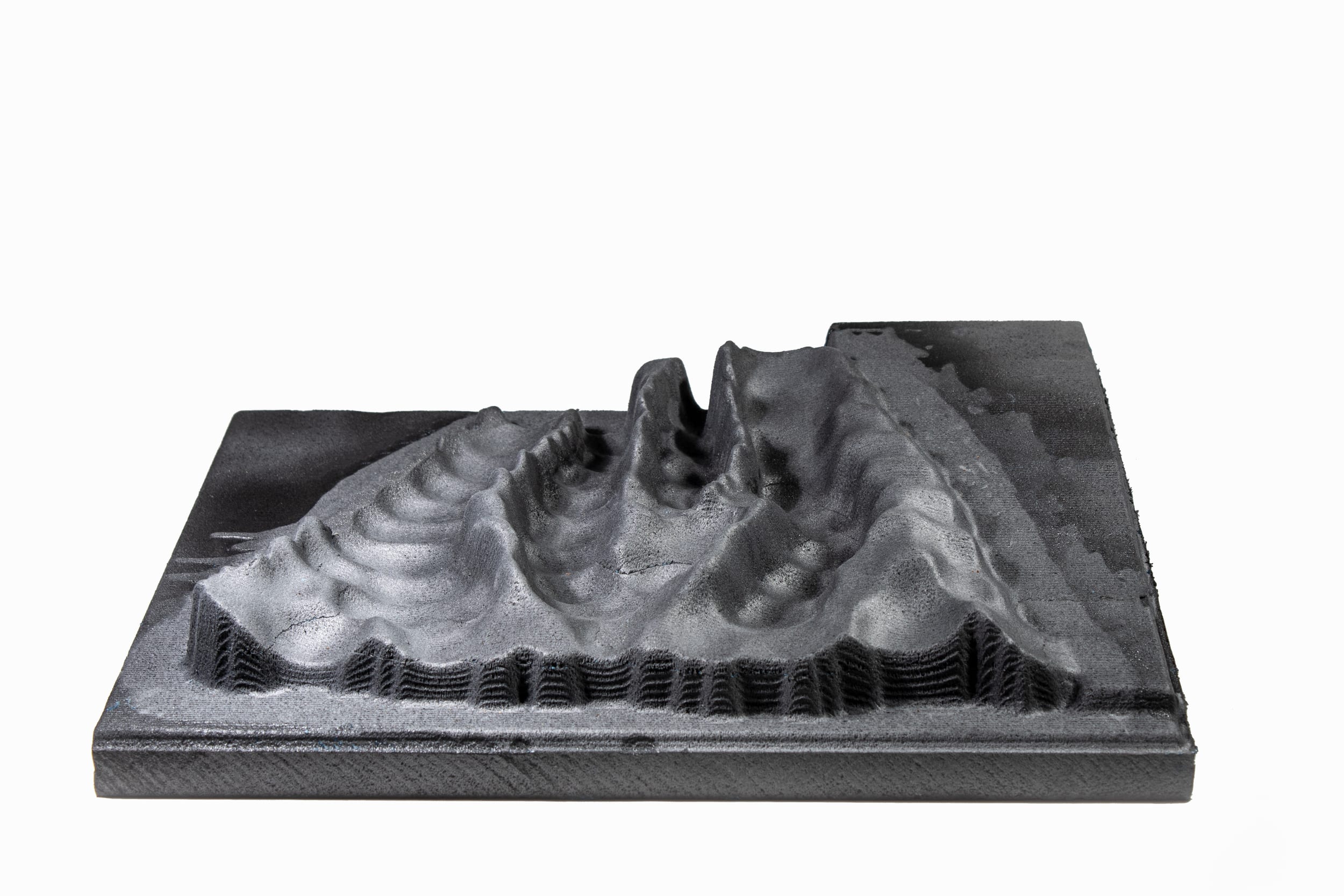
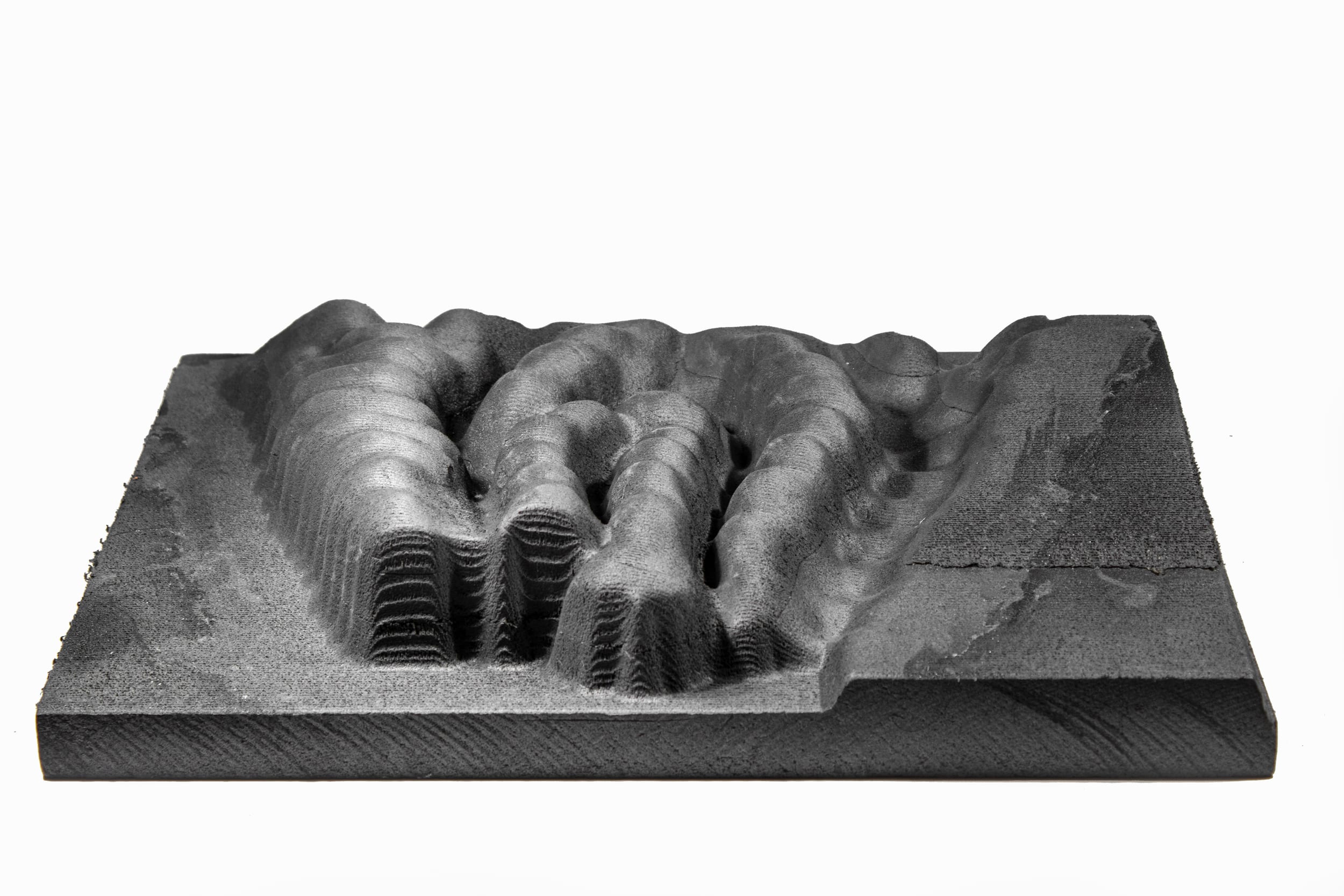
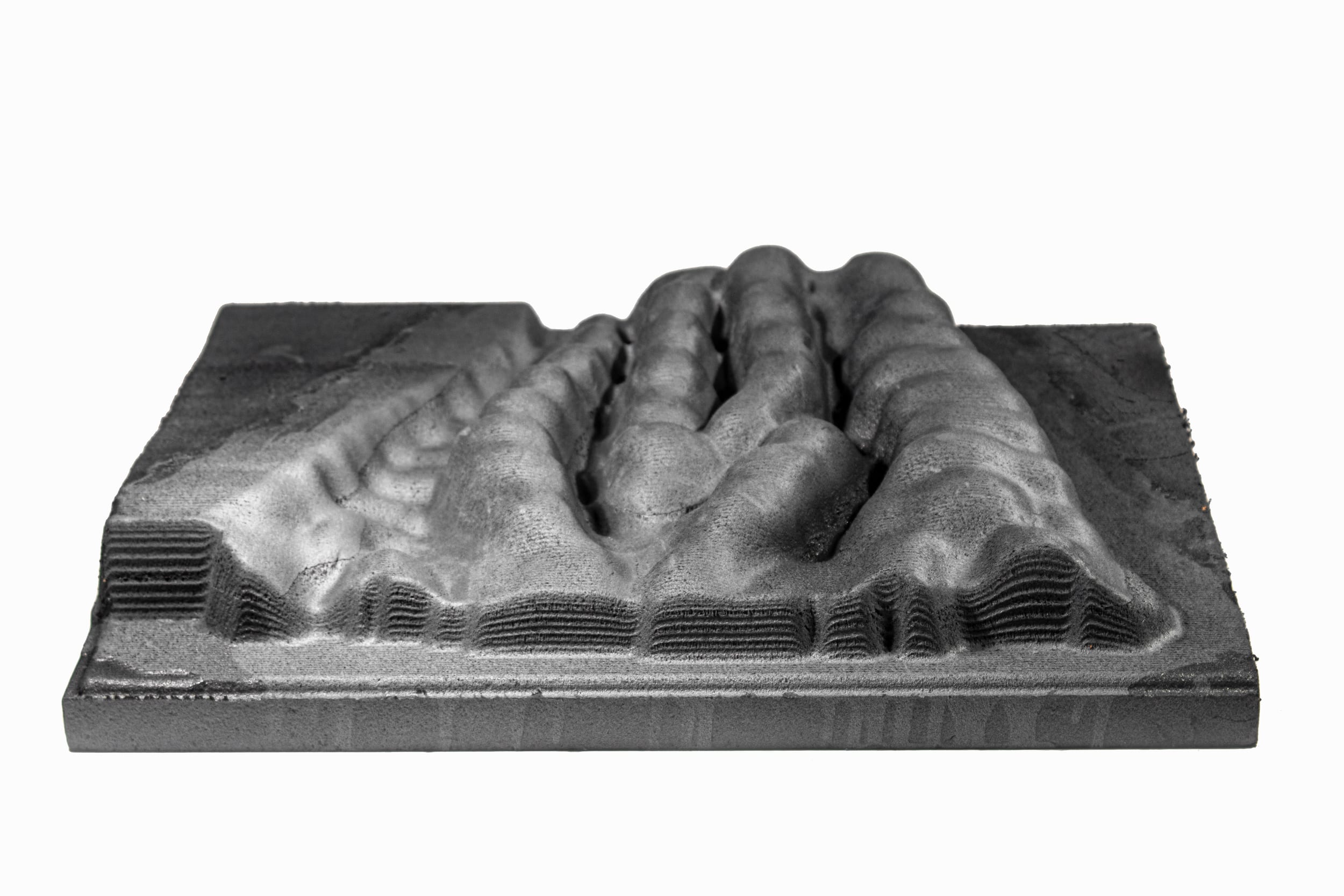
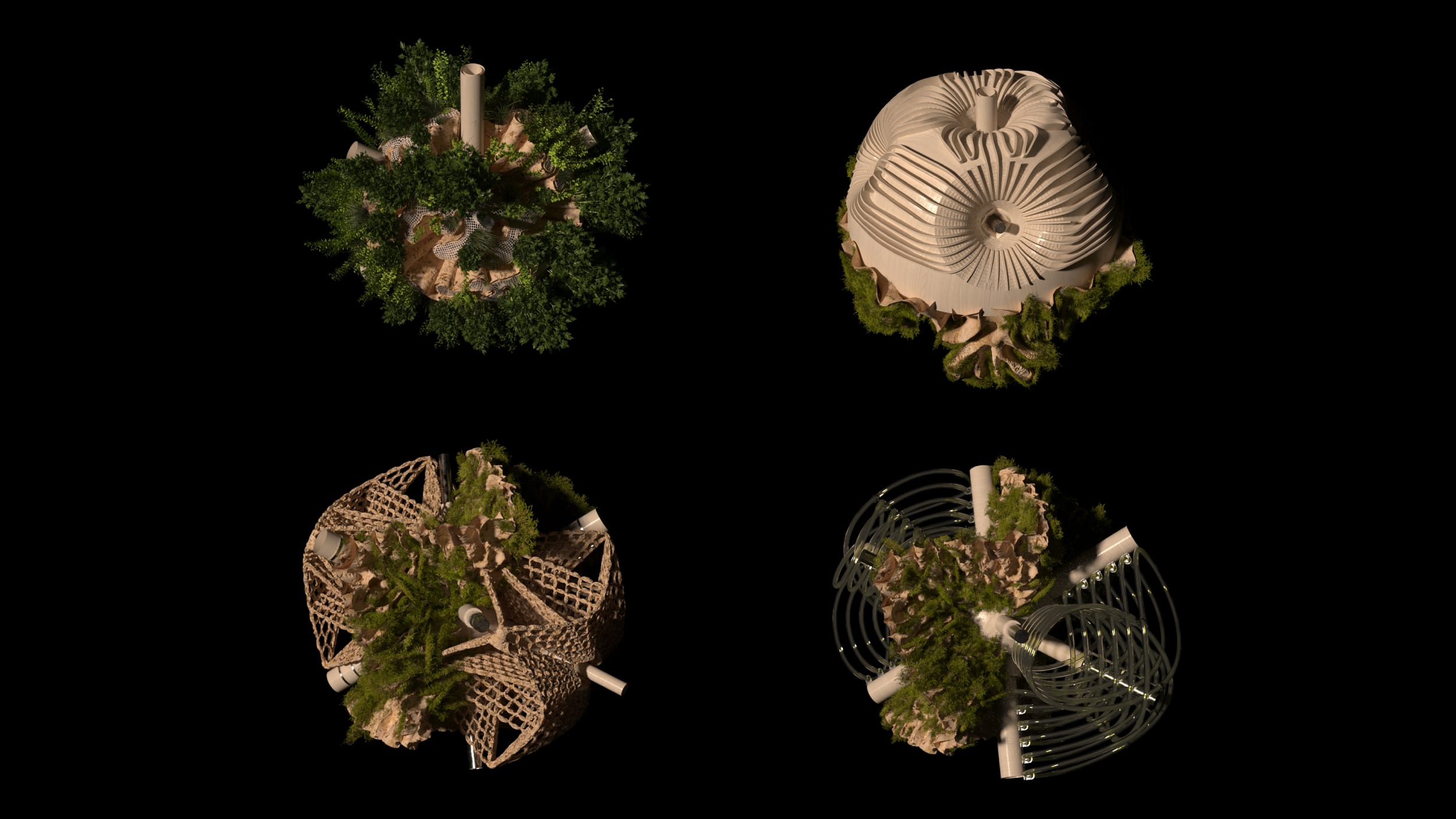
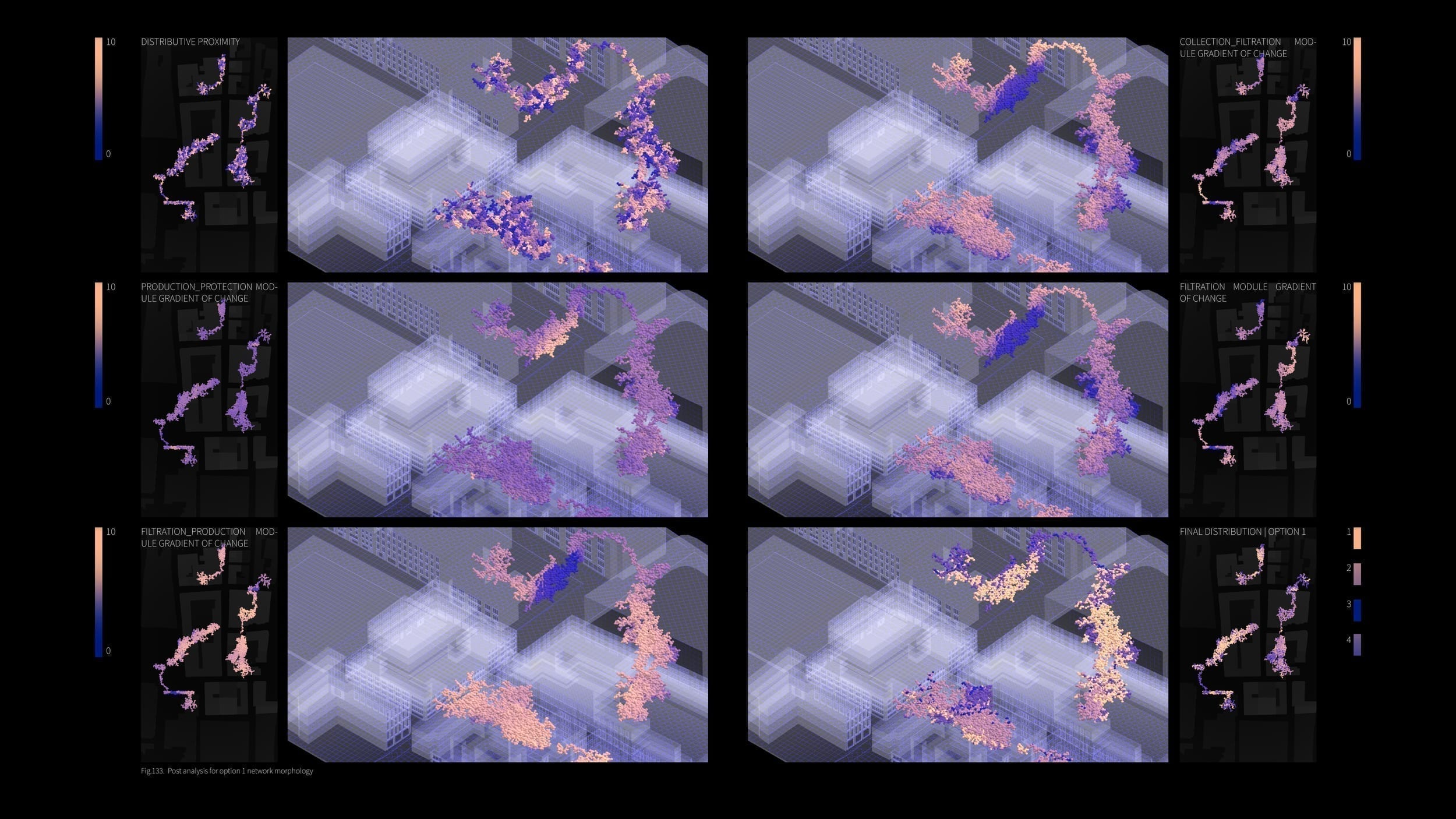
The Production_Protection component directly addresses the problem of fragmentation of the natural landscape, providing areas for both vernacular plants as well as those which are protected. The logic for the component's morphological organisation is informed by the need to minimise the number of surfaces' "plant pockets" in order to decrease the amount of water pipes connections and, at the same time, to create pockets that will hold plants on its locations creating one ecosystem for their root system. The line based model differential growth algorithm was chosen to address these criteria.
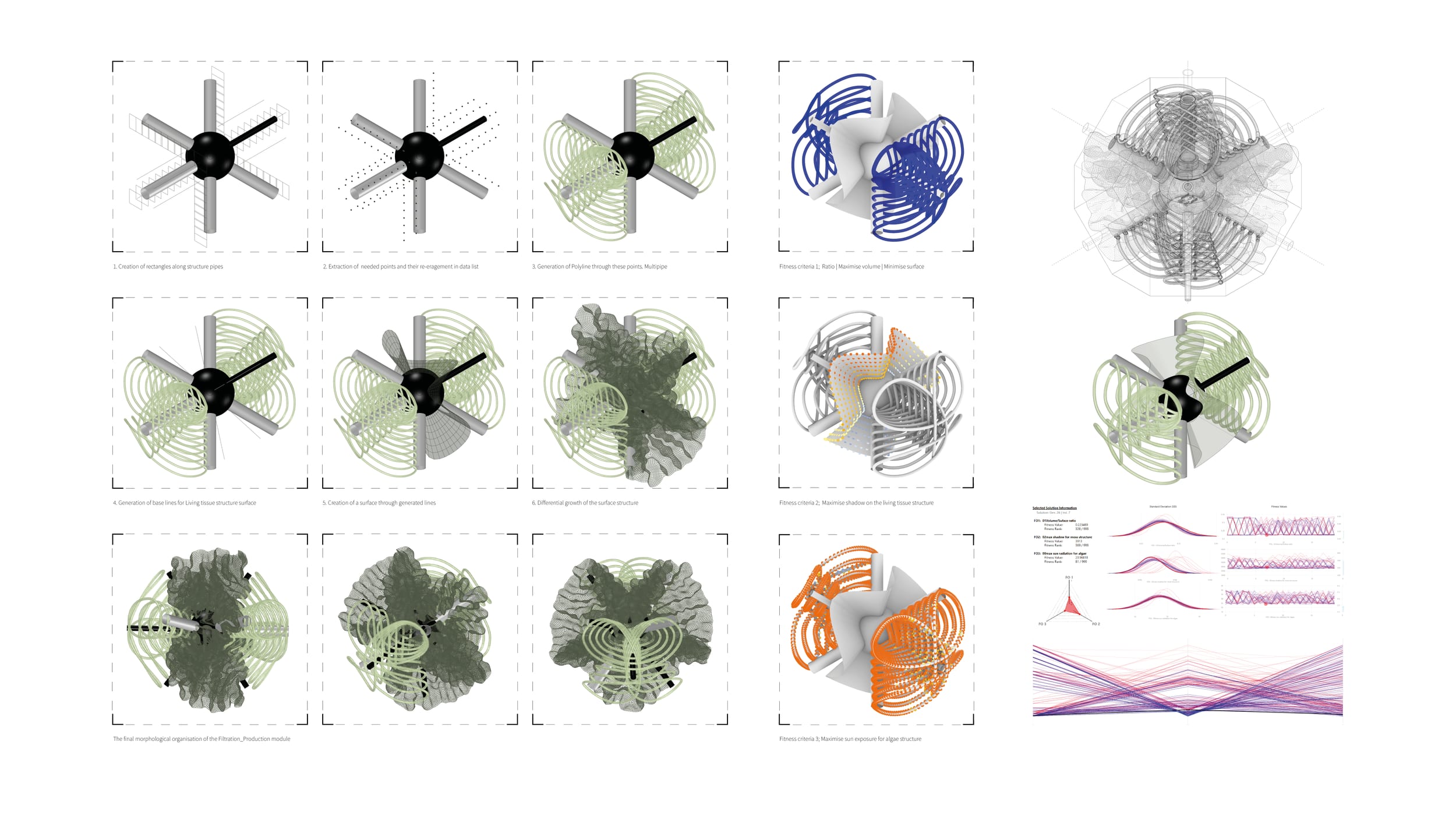
FILTRATION_PRODUCTION COMPONENT
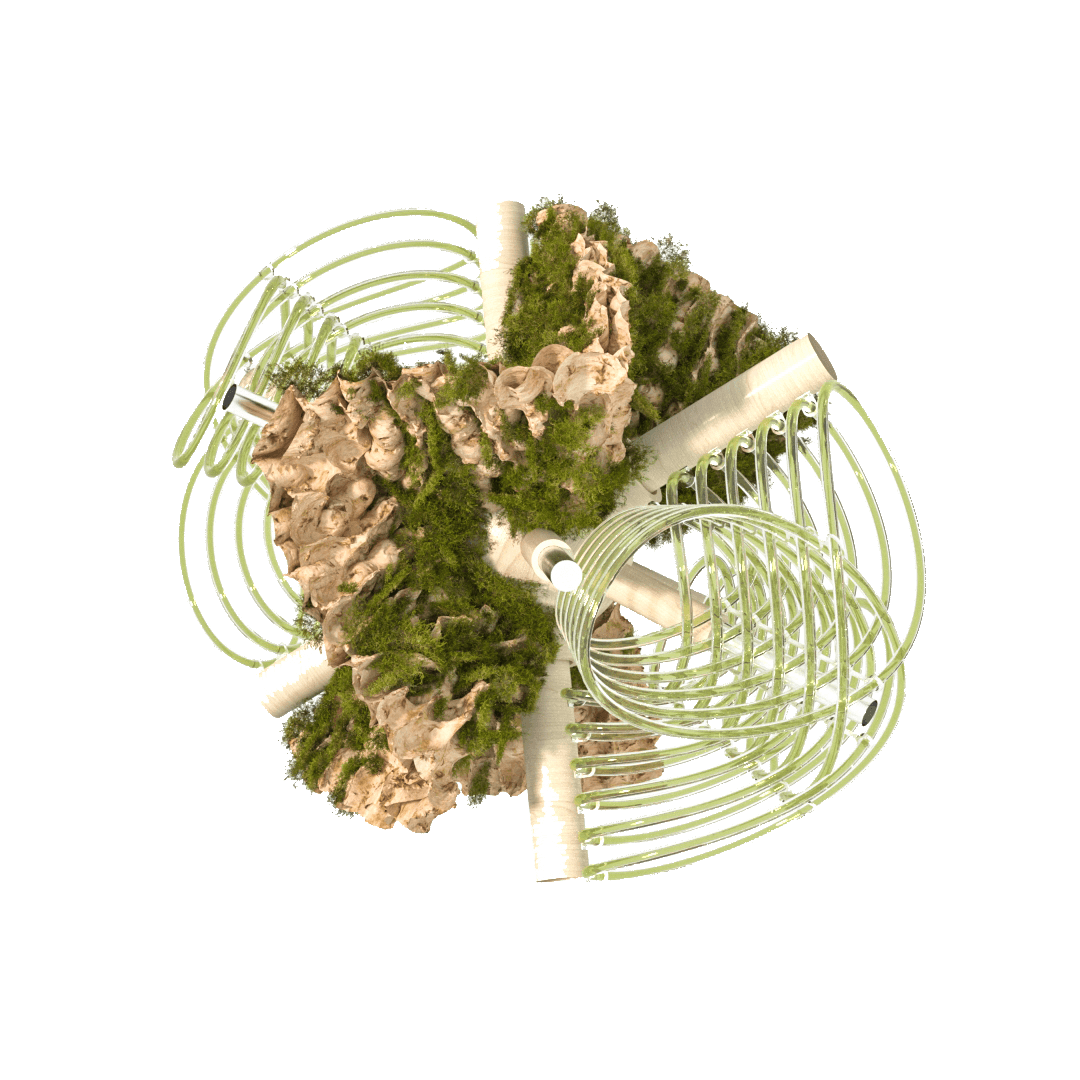
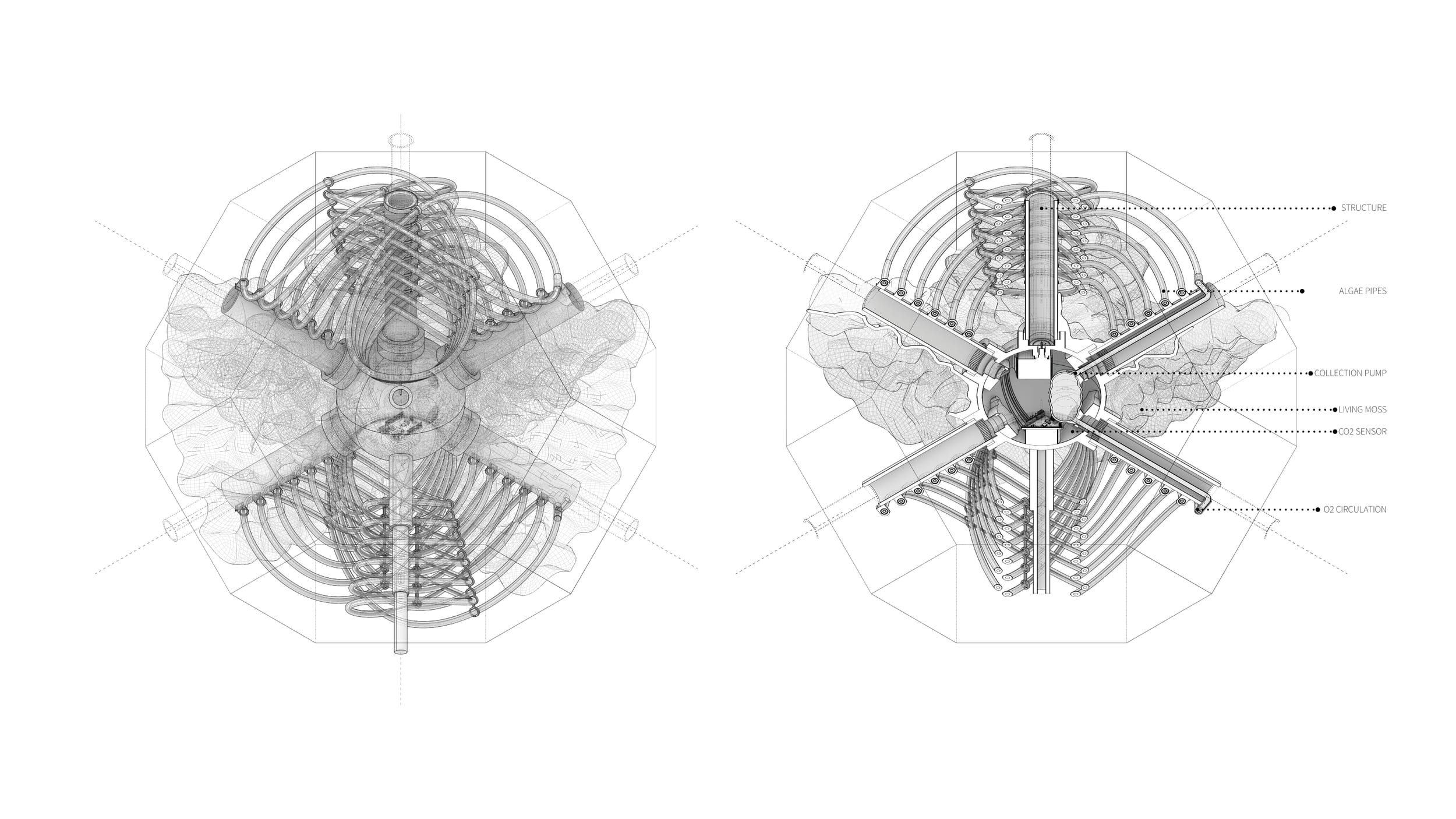
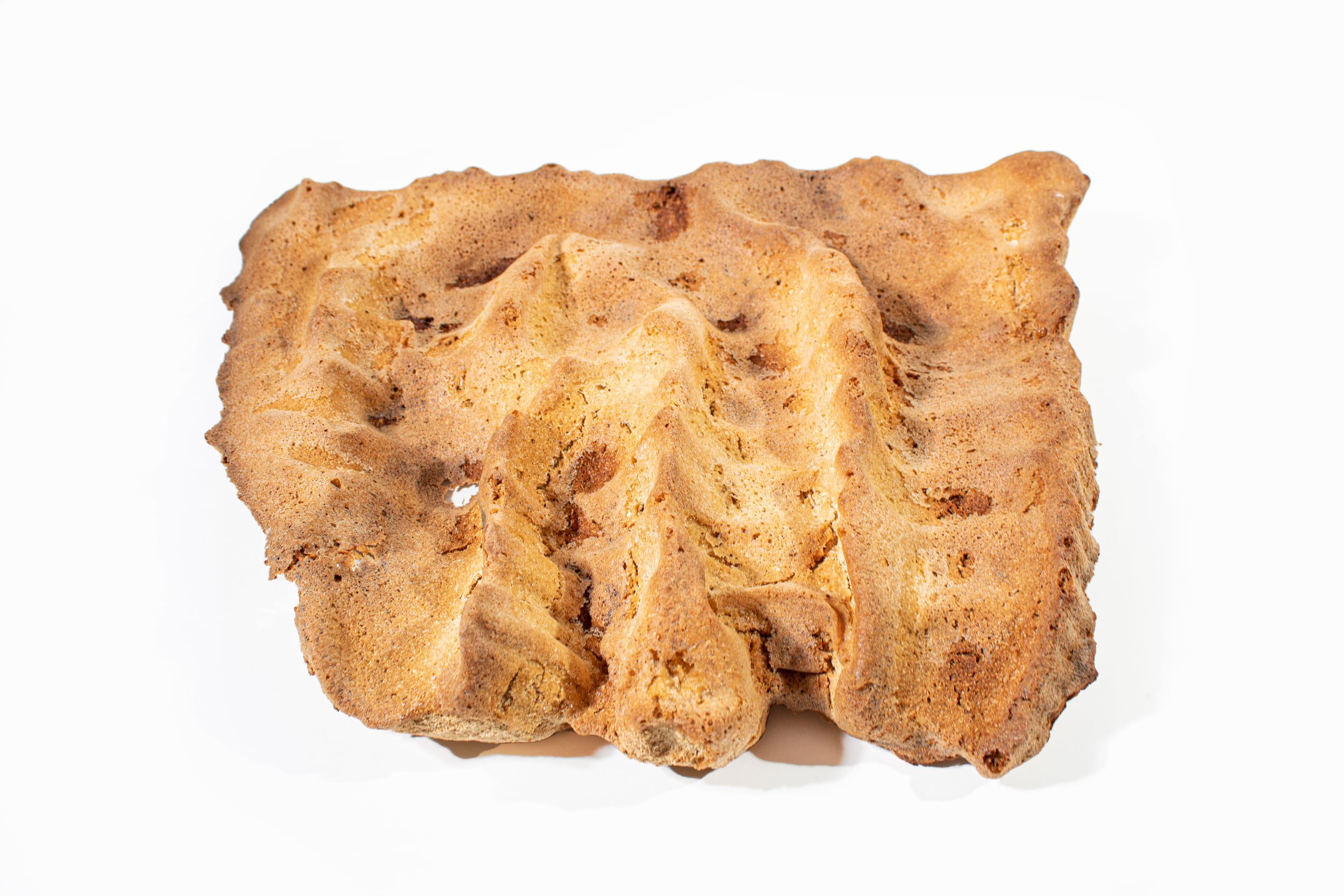
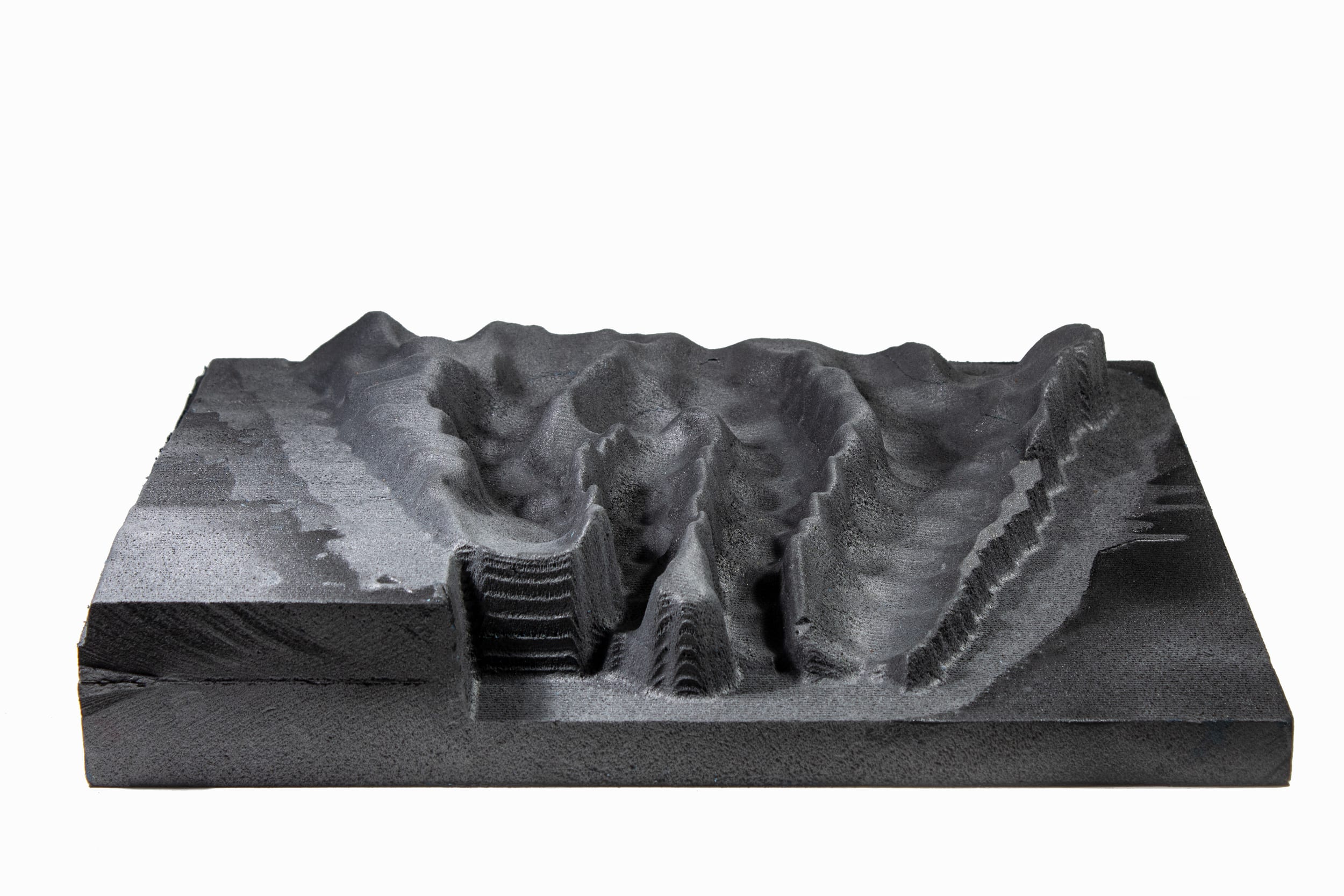
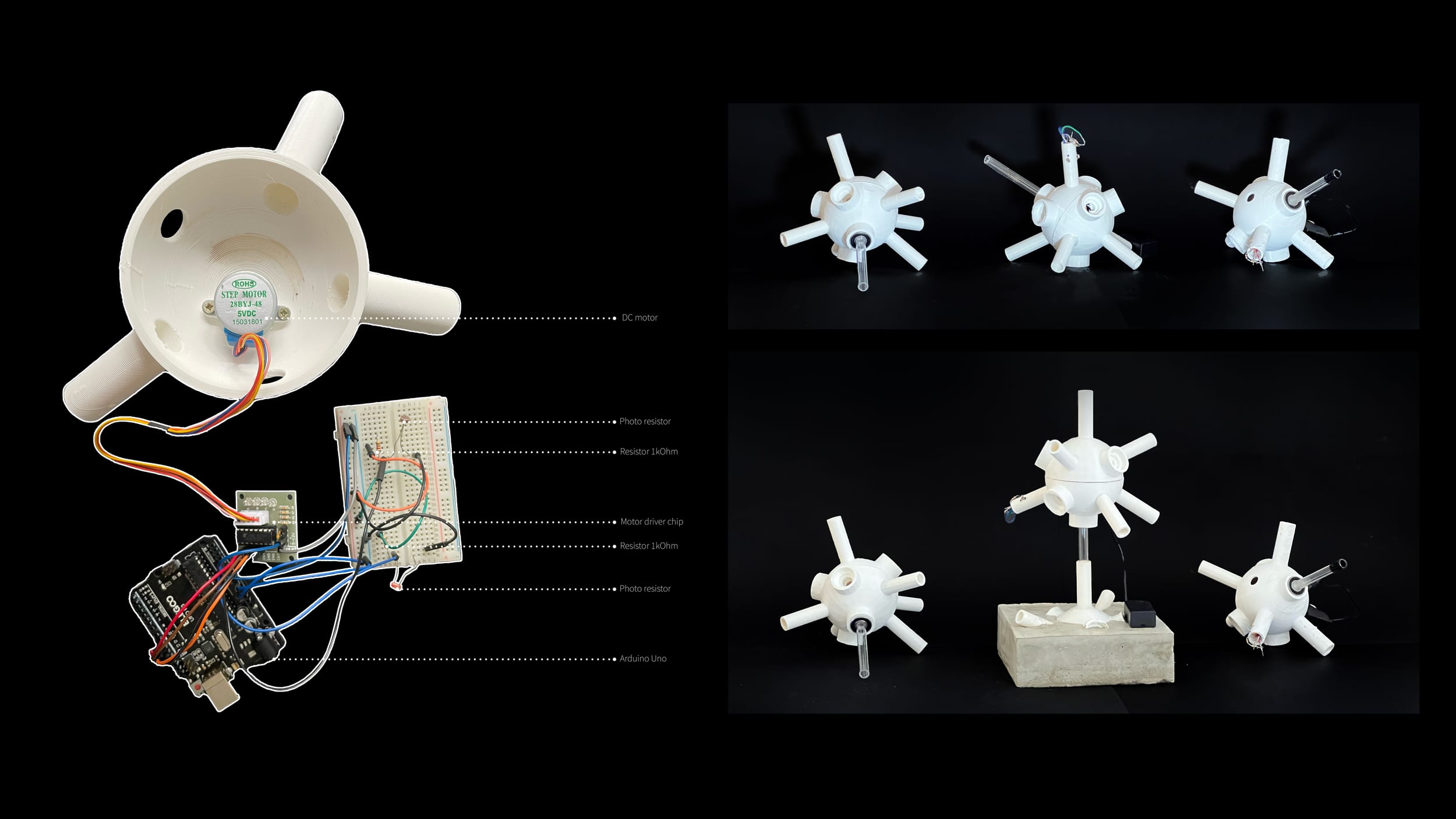
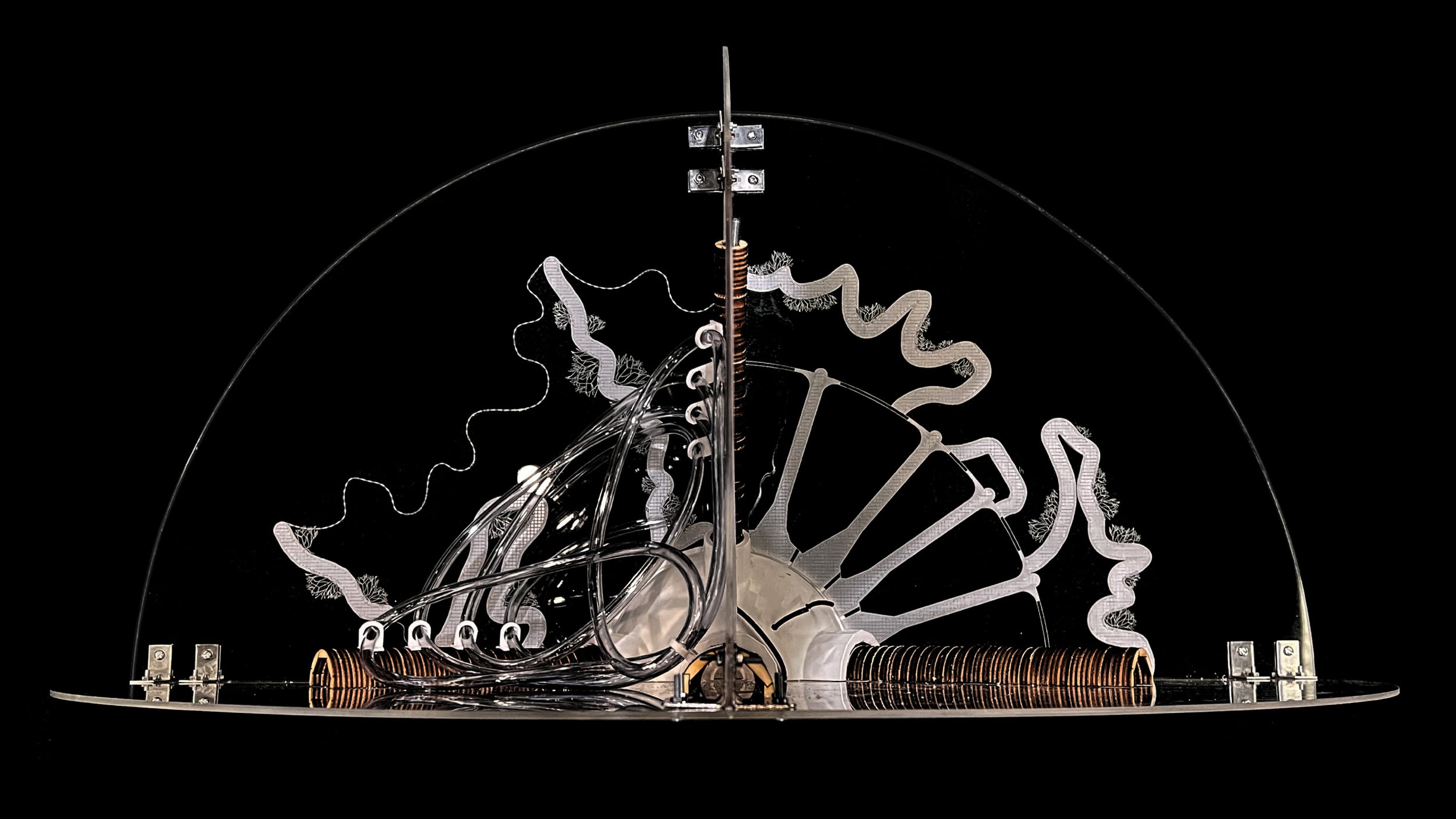
The Filtration_Production module addresses the problem of air pollution and temperature providing infrastructure for algae and moss as a living tissue. The filtration production module is similarly organised around the central sphere which houses the sensors, motors and hardware in order to avoid exposing it to the outside elements. The module is structured to maximise the surface area of both the algal pipes which need exposure to sunlight for photosynthesis as well as the moss which is grown in the valleys of the corrugated sawdust morphology.
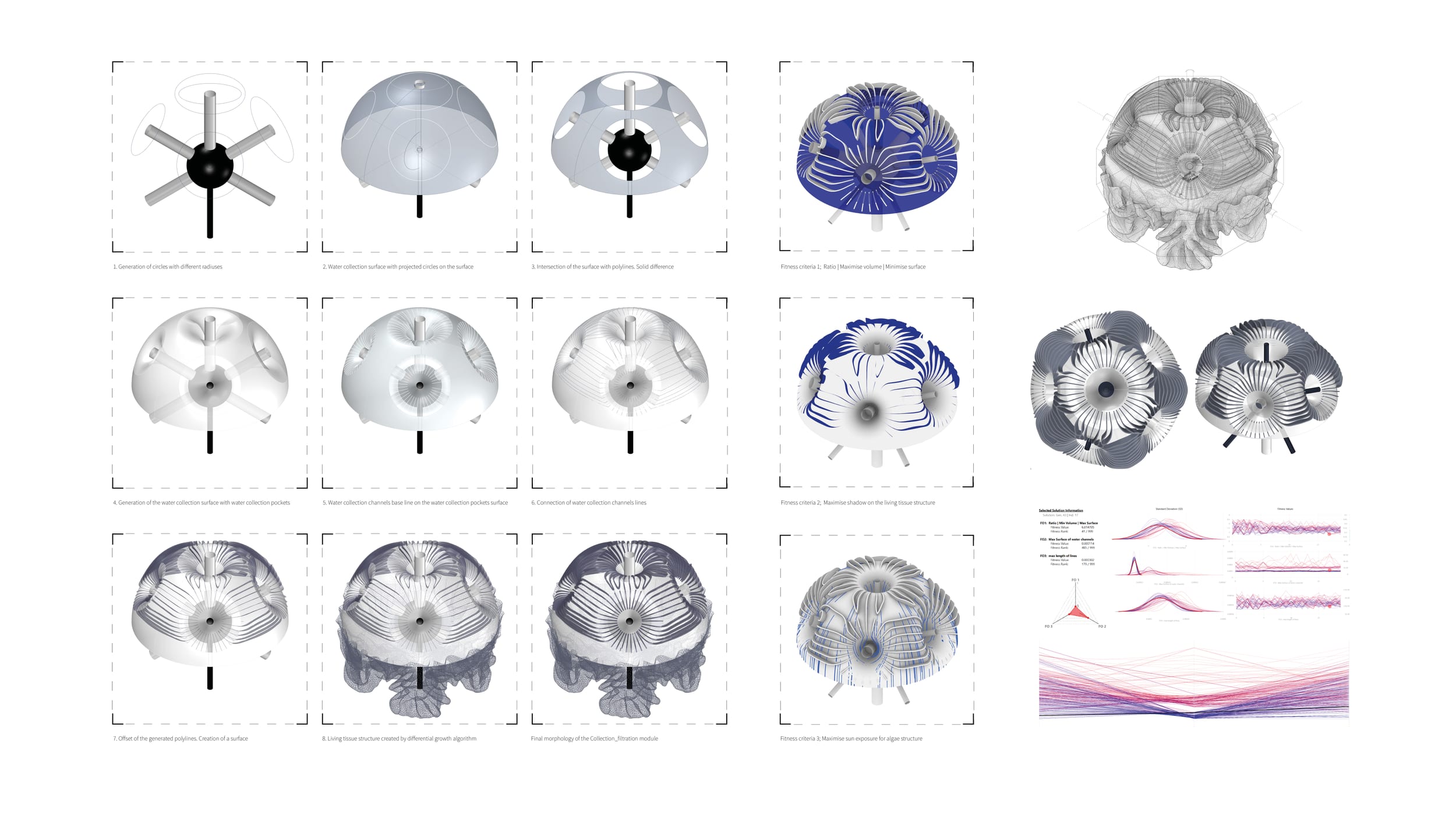
COLLECTION_FILTRATION COMPONENT
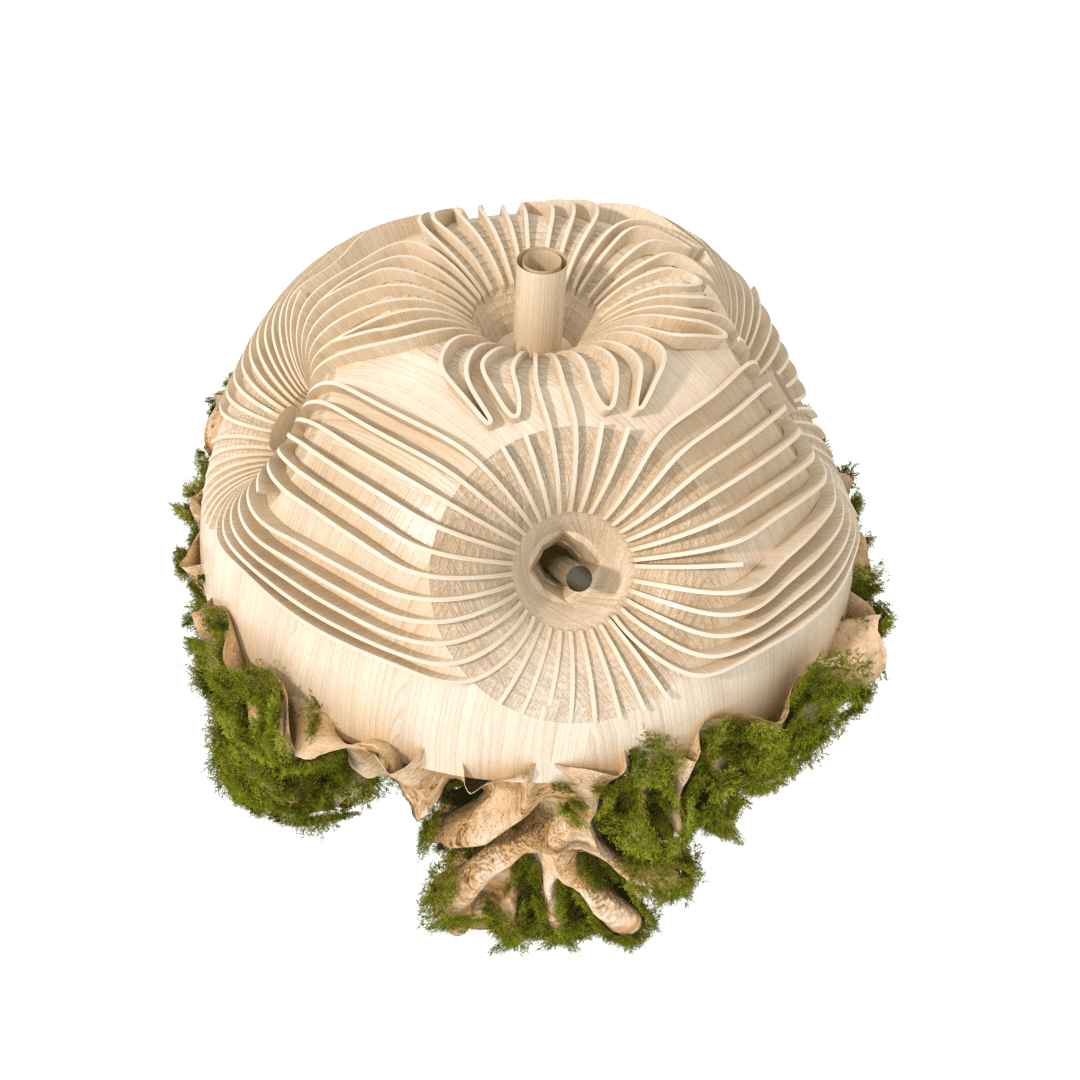
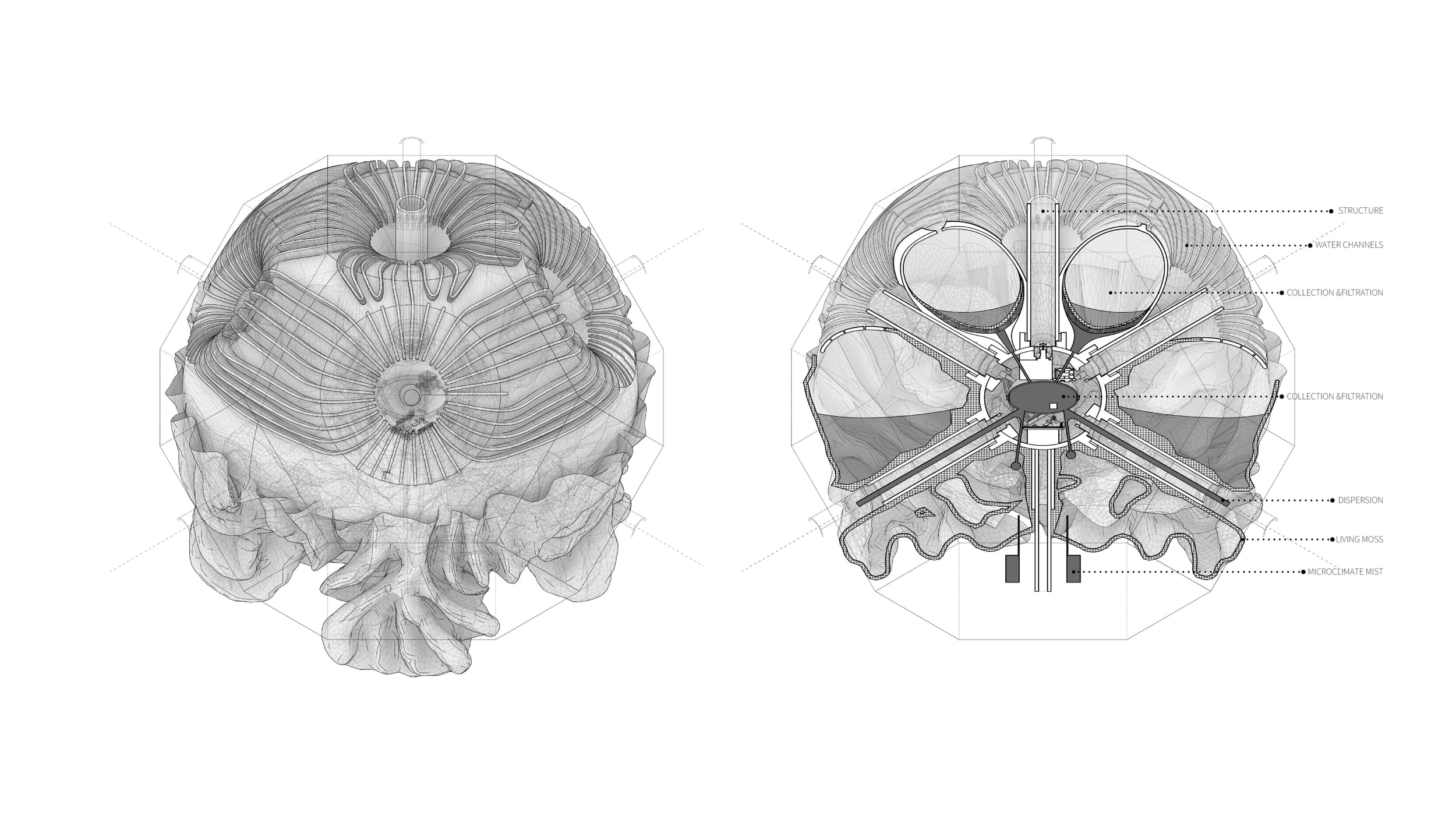
In order to sustain the proposed system, there is a need to create a water collection and water distribution system. By providing infrastructure for the collection, filtering, and subsequent distribution of grey and rainwater, the Collection_Filtration module solves the water management issue. Additionally, modules contain a living tissue distributed over the saw dust foam, are generated using a differential growth algorithm. In order to ensure the necessary degree of humidity for maintaining living tissue, excess water or precipitation that is unable to be gathered into the collection pockets is directed into the moss surface to fulfil the biological requirement.
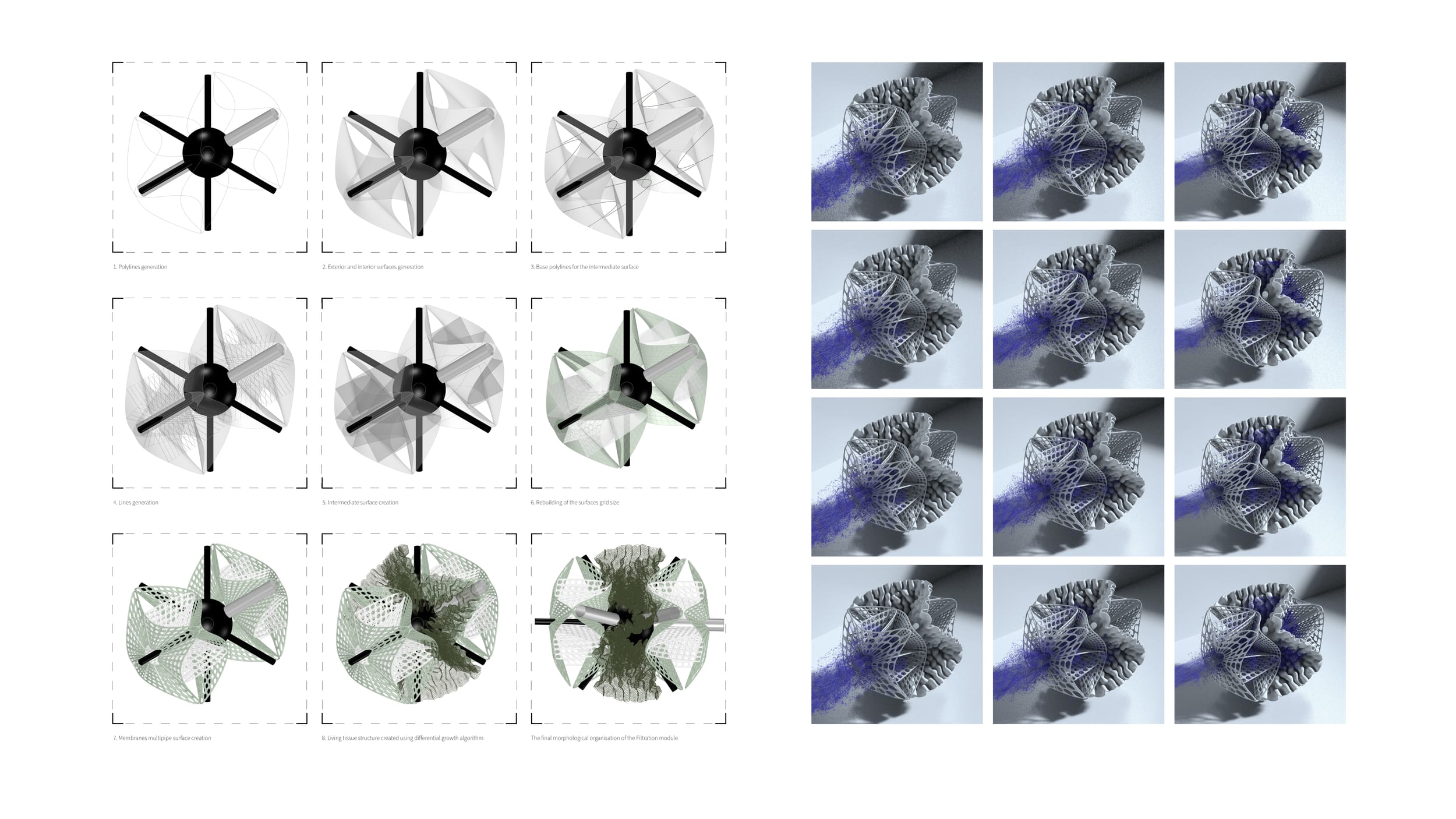
FILTRATION COMPONENT
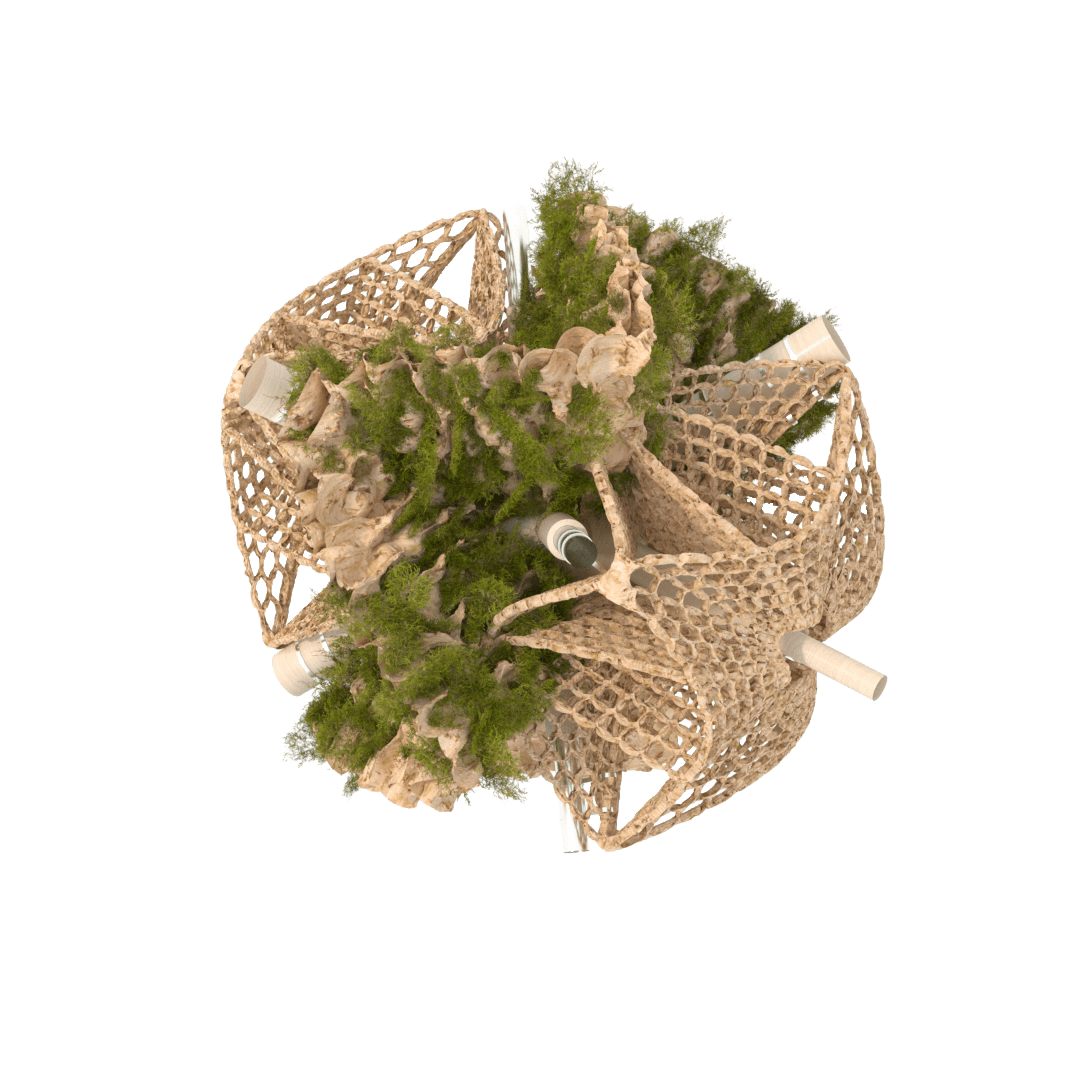
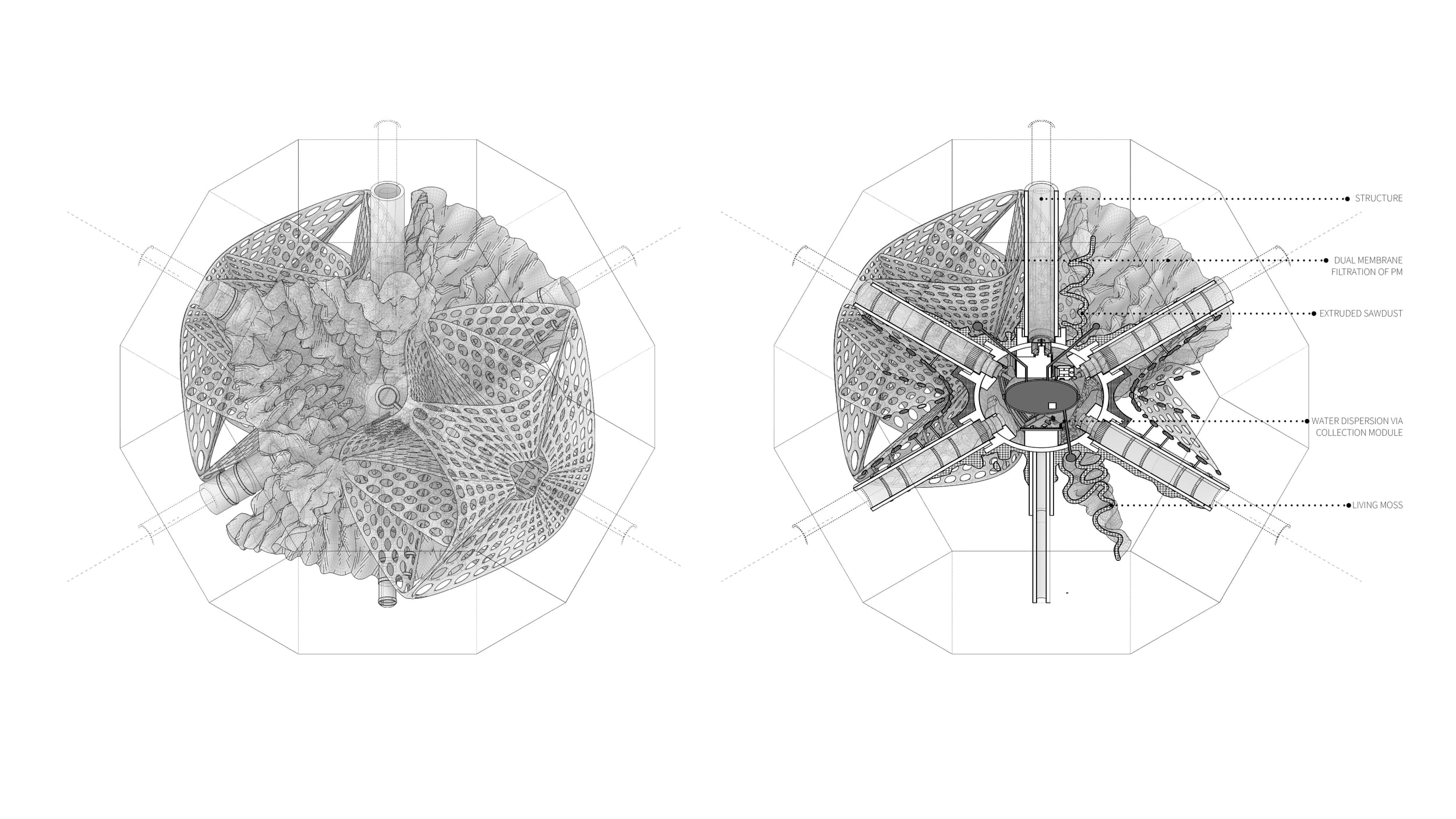
The module's morphology is divided into two sections: the first is a structure that contains living tissue, and the second is made up of various membrane types that can filter and absorb different kinds of pollution. The capacity of the surfaces to capture particles impacts the morphological organisation of membranes that directly inform their perforation. In order to decrease wind velocity and enhance particle absorption, pockets for wind redirection were developed connecting multiple membrane surfaces into one structure. Additionally, the level of porosity on each filtration surface fluctuates, filtering grains of various sizes on each level of the structure.
[ Material Development ]
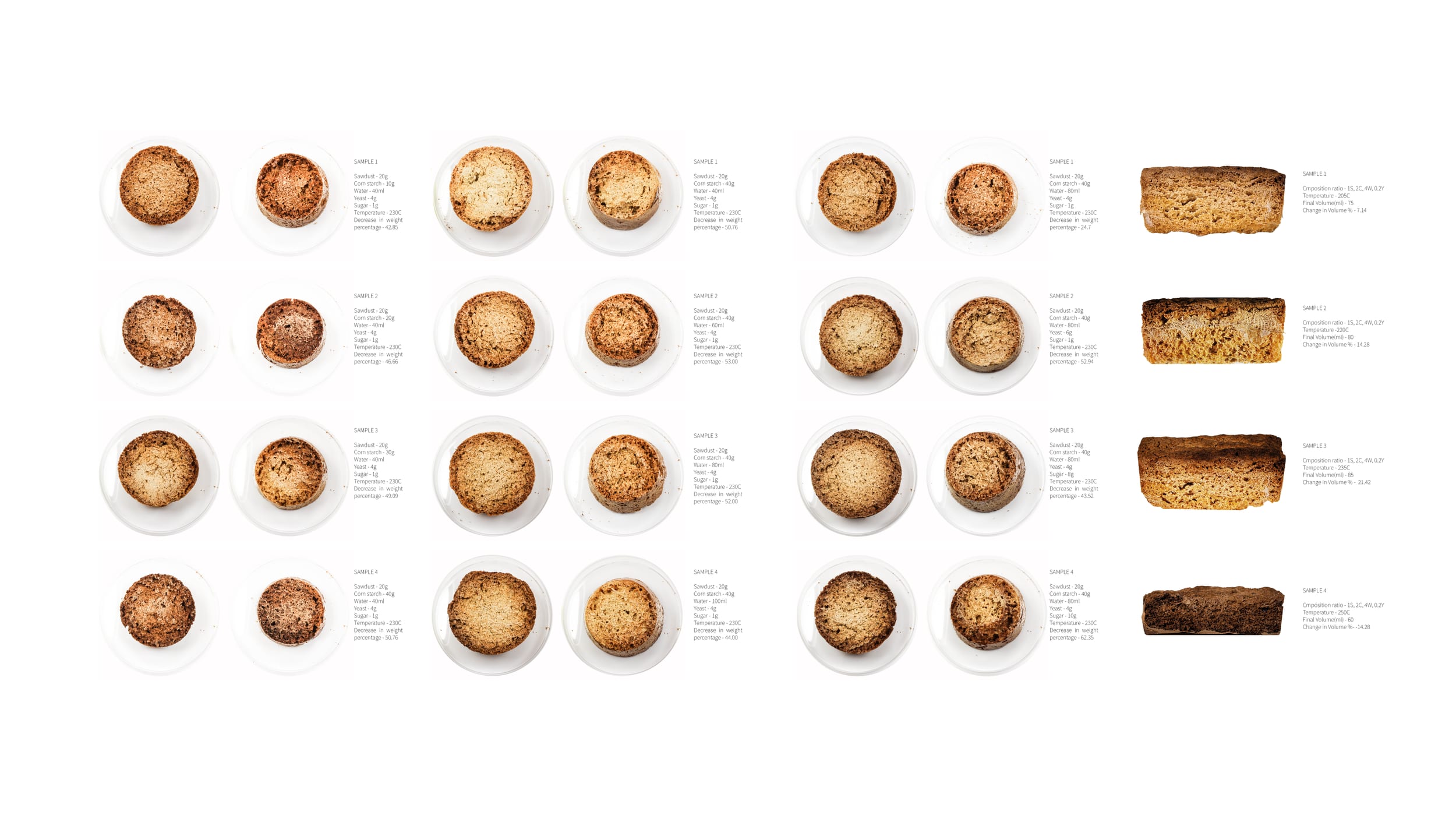
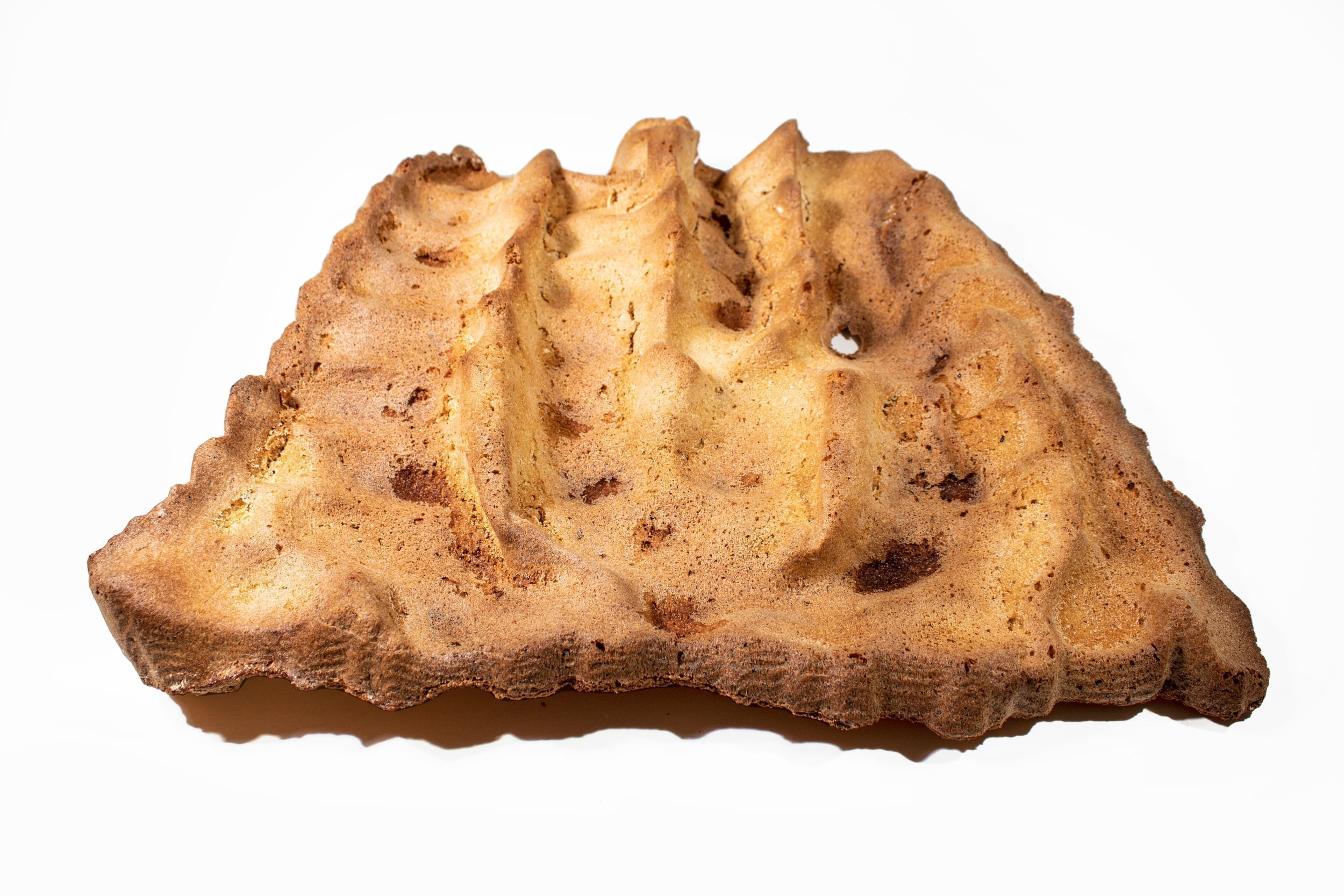
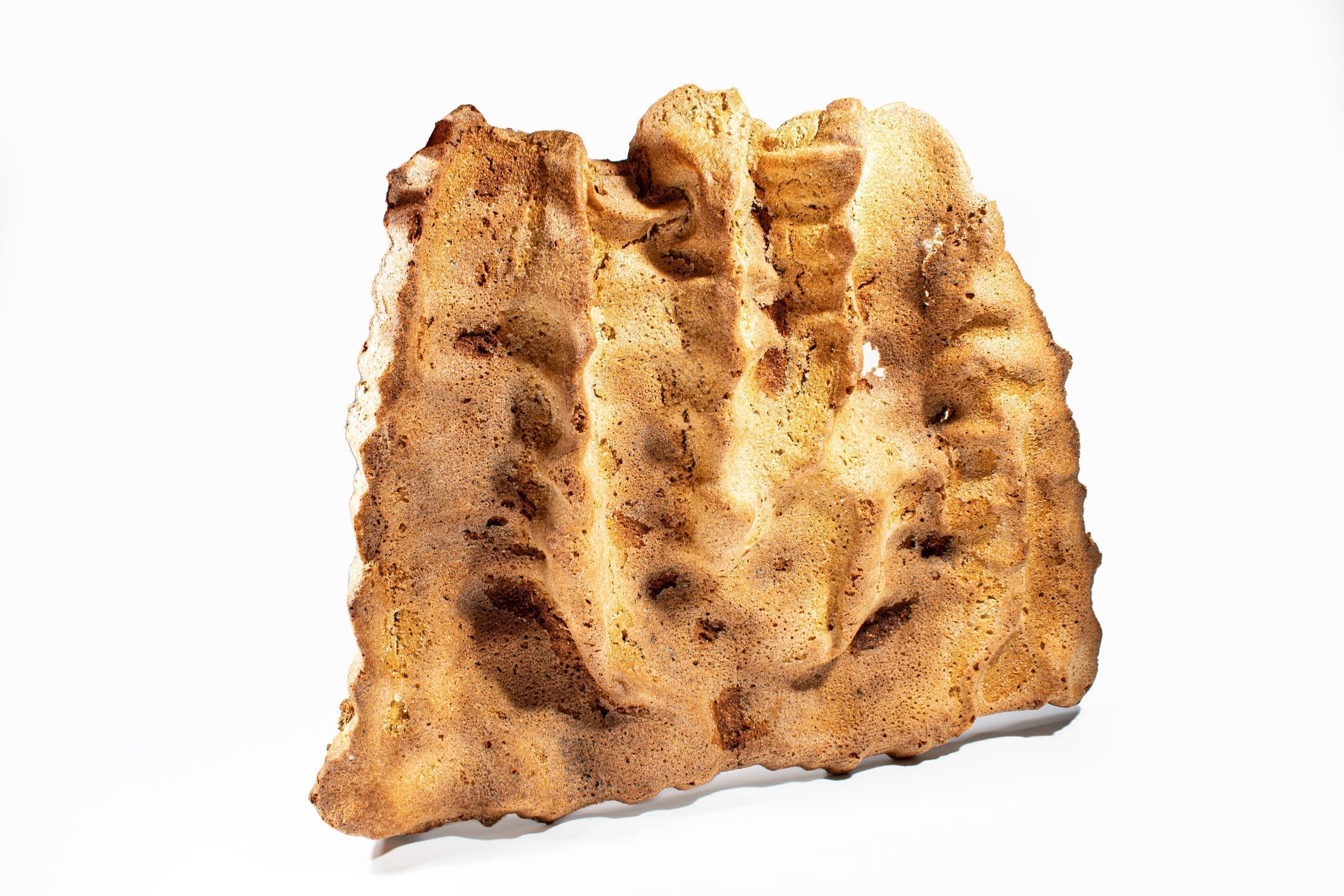
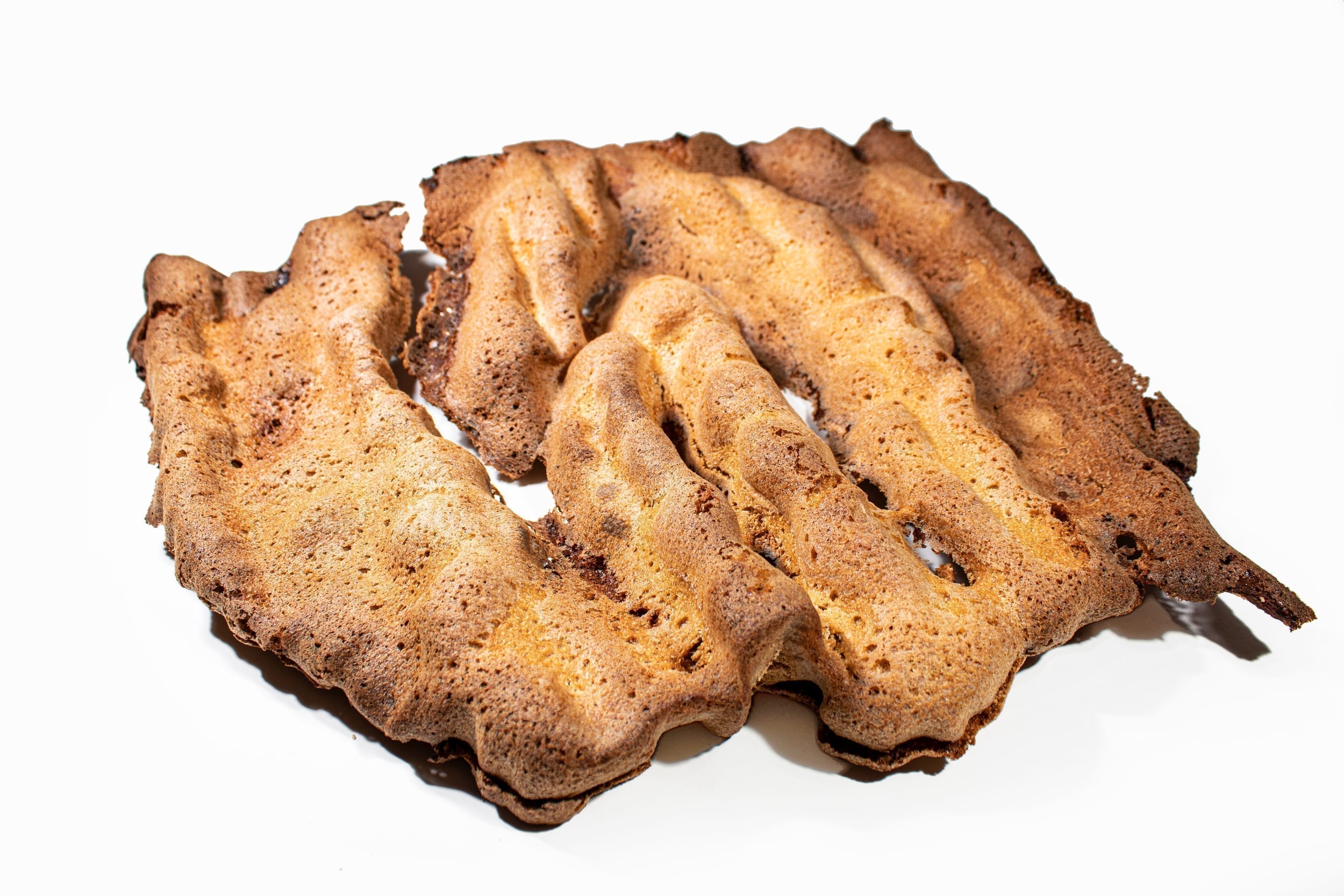
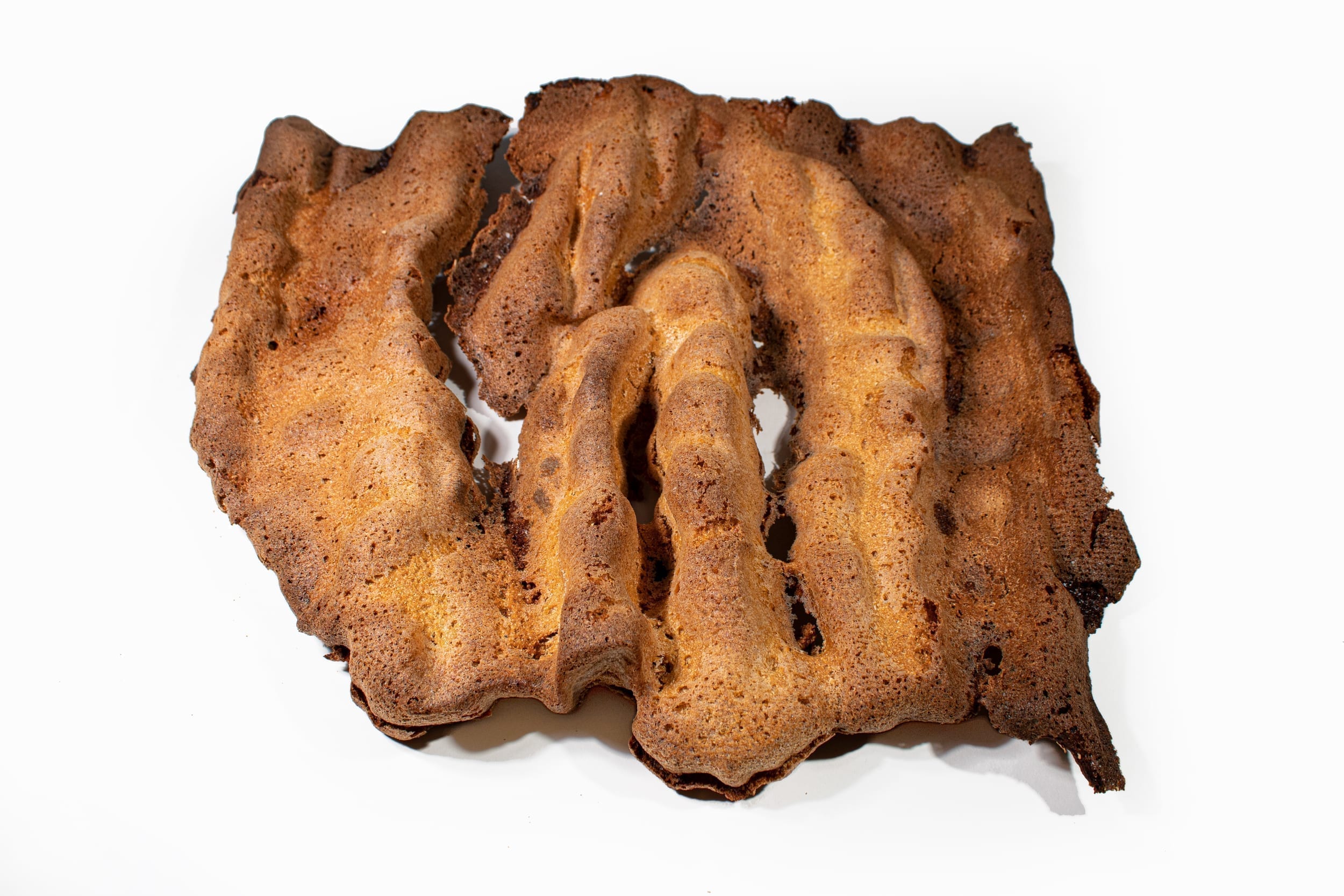
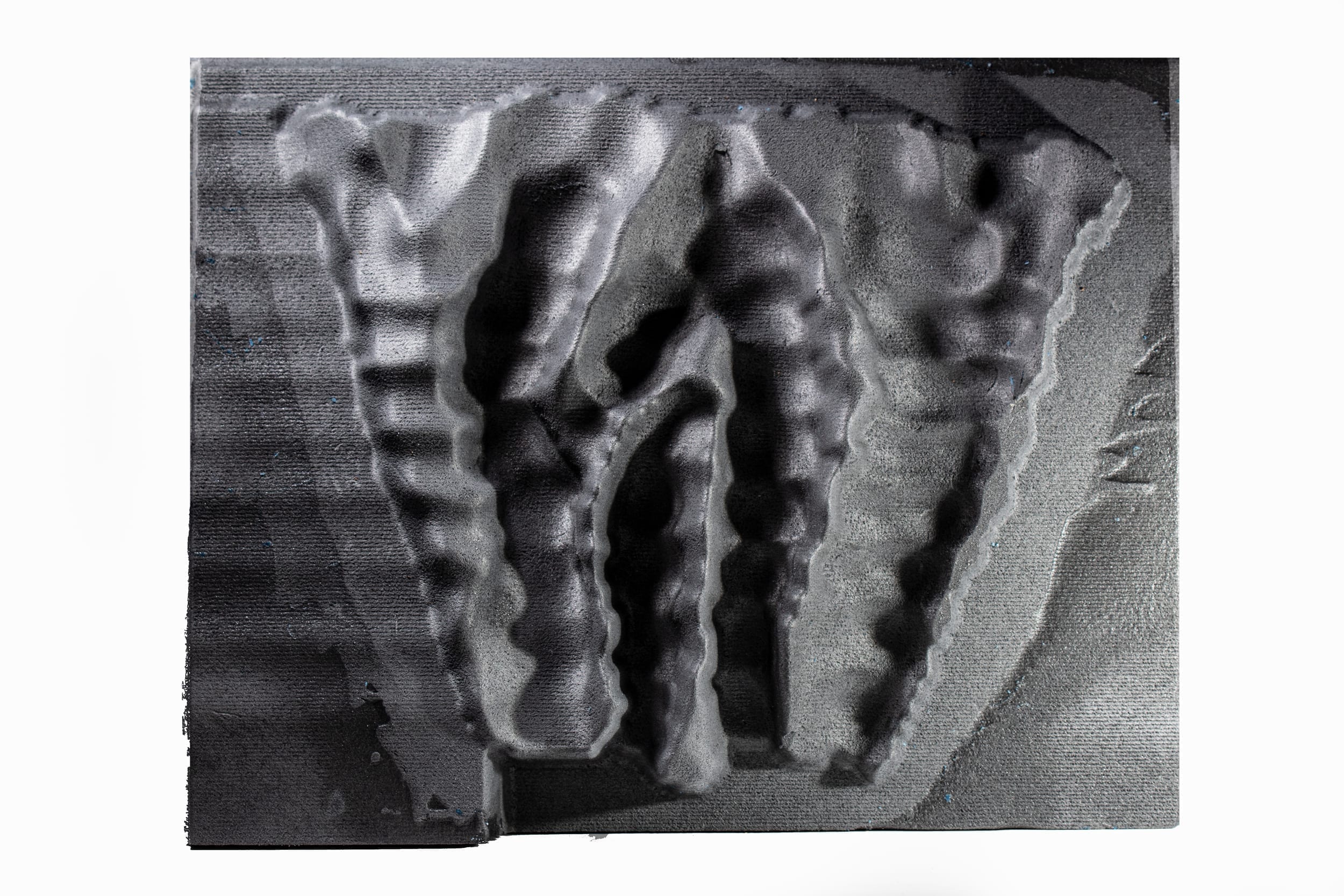
Sawdust, corn starch and yeast have been identified as composite materials for the biomaterial formulation. Although the crucial objective of experimentation lies in the activation of the surface of raw sawdust to generate porosity, that would induce the growth of microorganisms is beneficial for the growth of green tissue. Also, a highly porous surface leads to the adsorption of black carbon as the carbon molecules create surface bonds with the porous sawdust surface aiding the filtration of air.
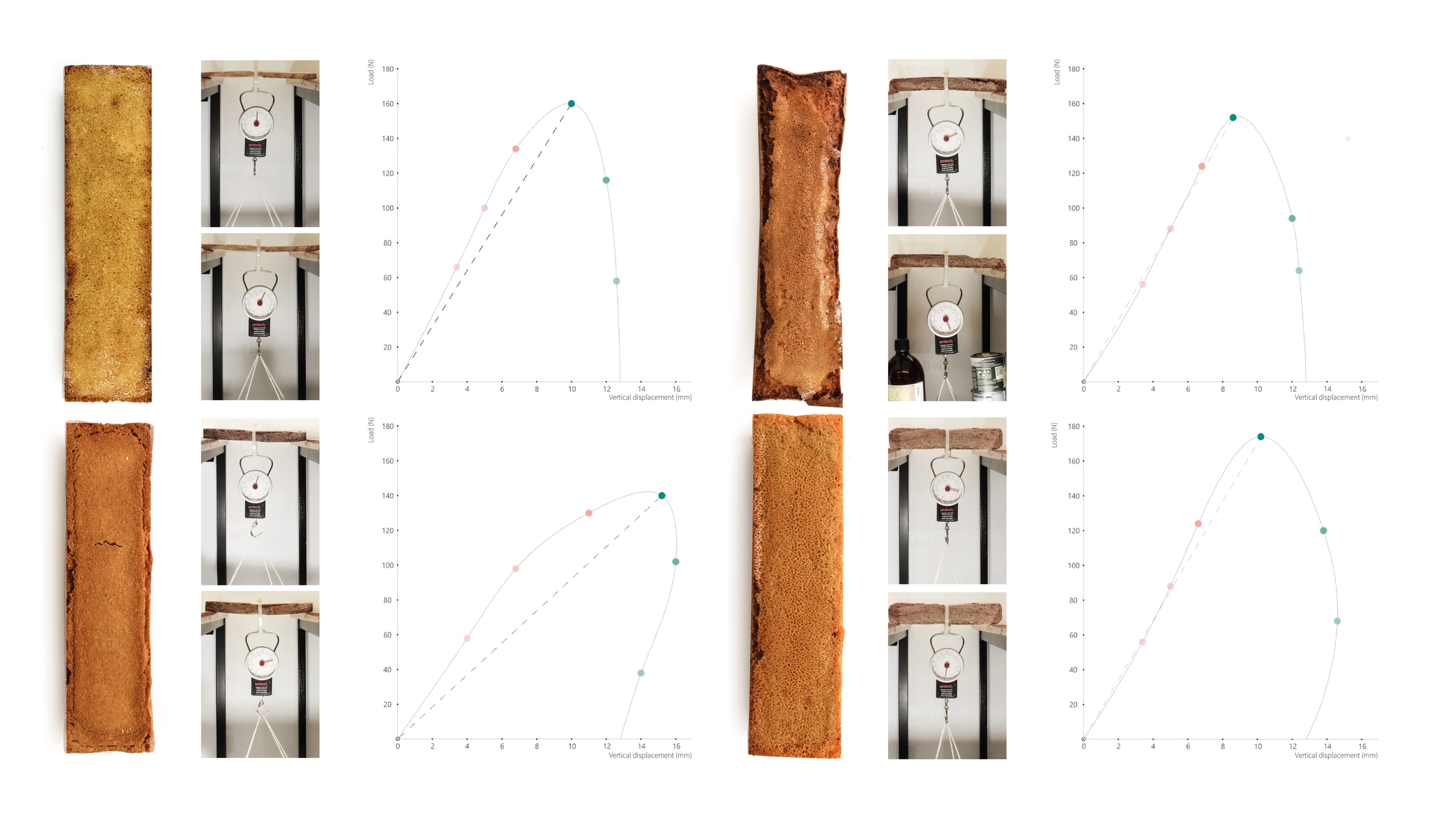
Three-Point Bending Test
A three-point bending test can be conducted in order to test the same. The three-point bending aids to determine the Modulus of Elasticity in bending, the stress and strain of the composite material. The test is conducted on a material sample of a predefined length (L) and, made to rest on end supports. The sample is subjected to point loading at its centre. It was observed that Sample 1 with a thickness of 1 cm, and weight of 60 g, had undergone a vertical displacement of 5mm under the maximum point load of 2.3 kg. Sample 2 with a thickness of 2 cm, and weight of 85g had undergone a vertical displacement of 15 mm under the maximum point load of 7.13 kg. Sample 3 with 2.5 cm thickness and weight 140g had undergone a vertical displacement of 8 mm under the maximum point load of 7.13 kg. Sample 4 with a thickness 3.5 cm, a weight 250g had undergone a vertical displacement of 9 mm under the maximum point load of 18.13 kg.
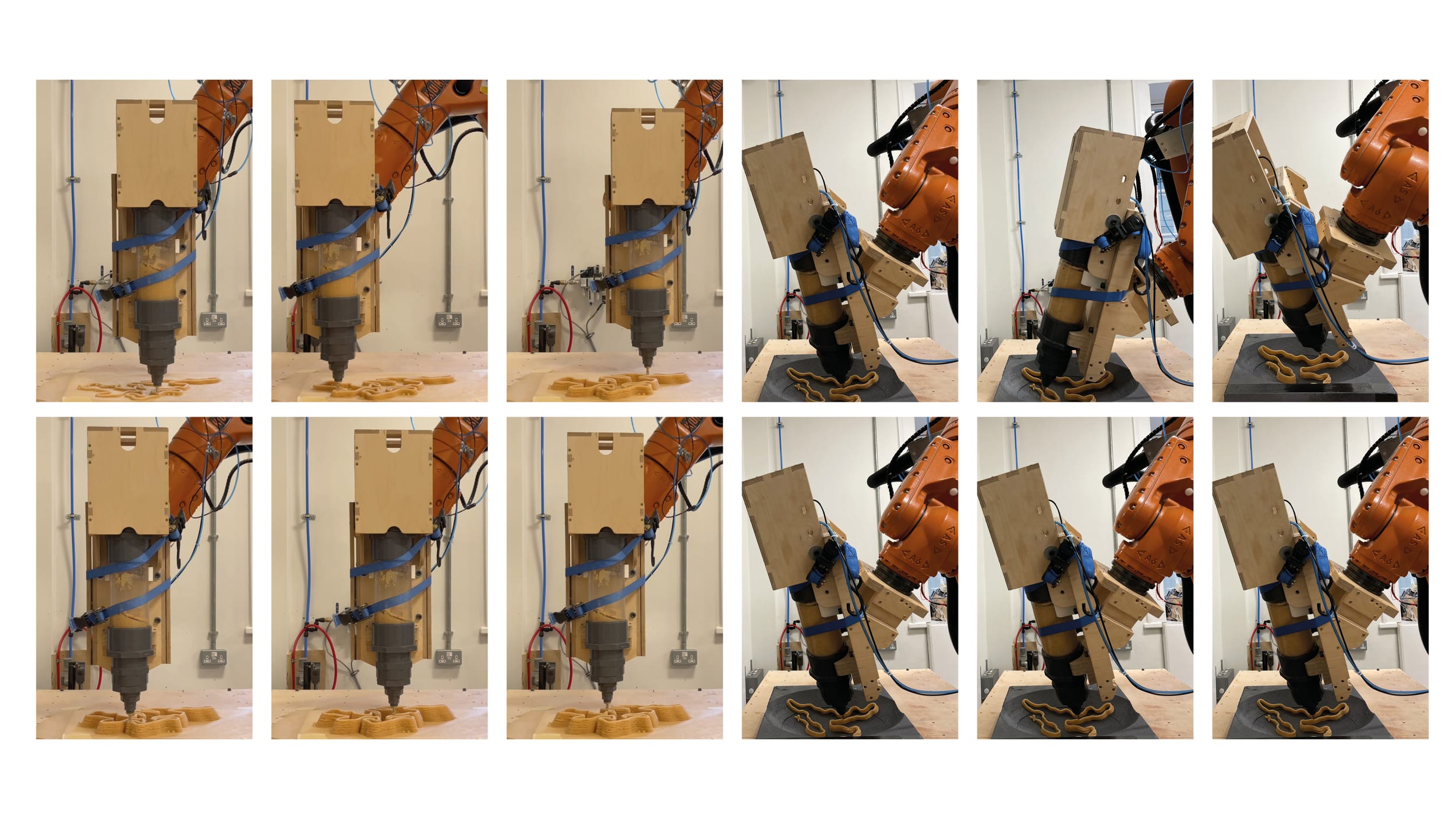
[ Robotic Extrusion ]
Network Development
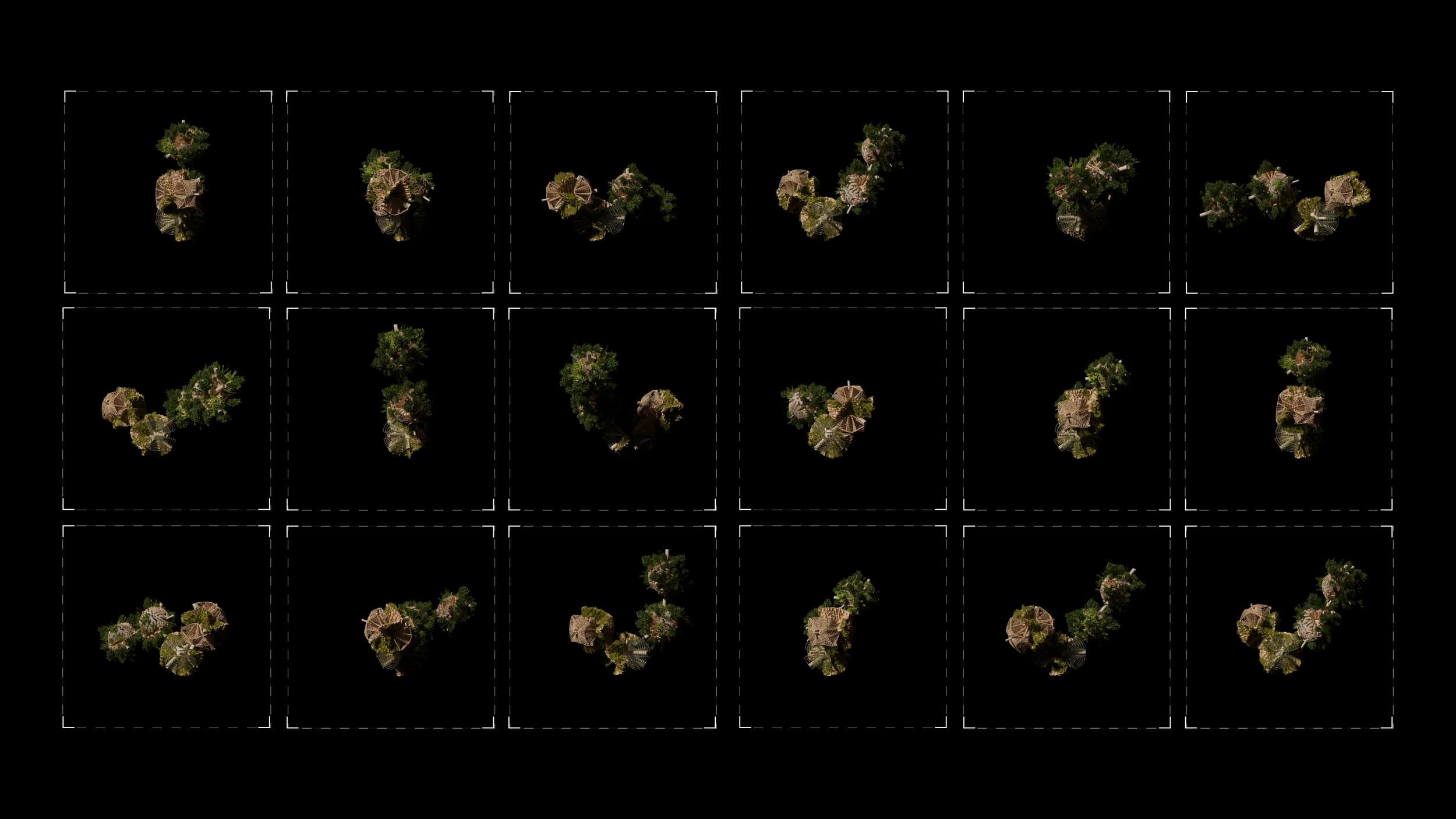
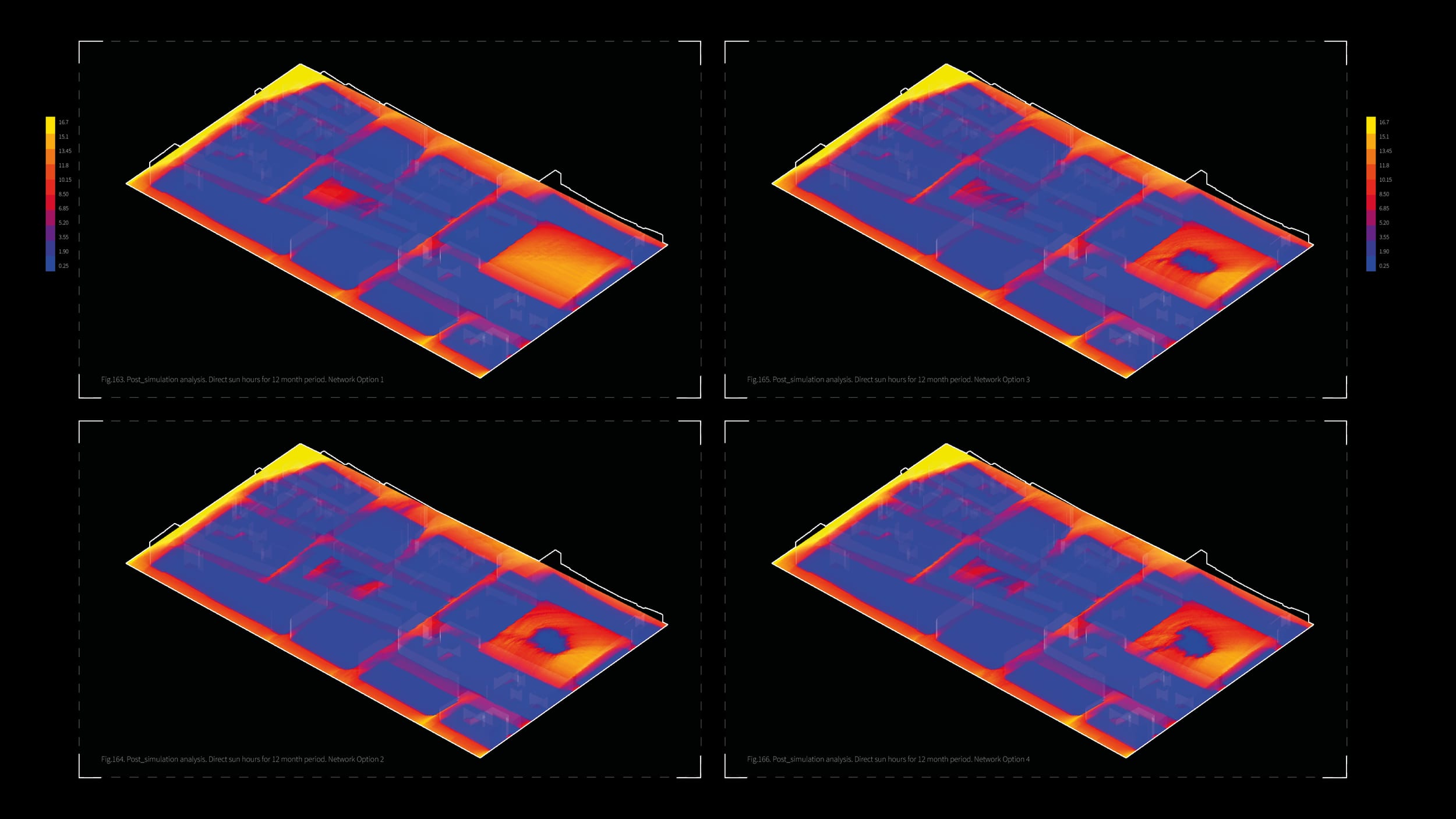
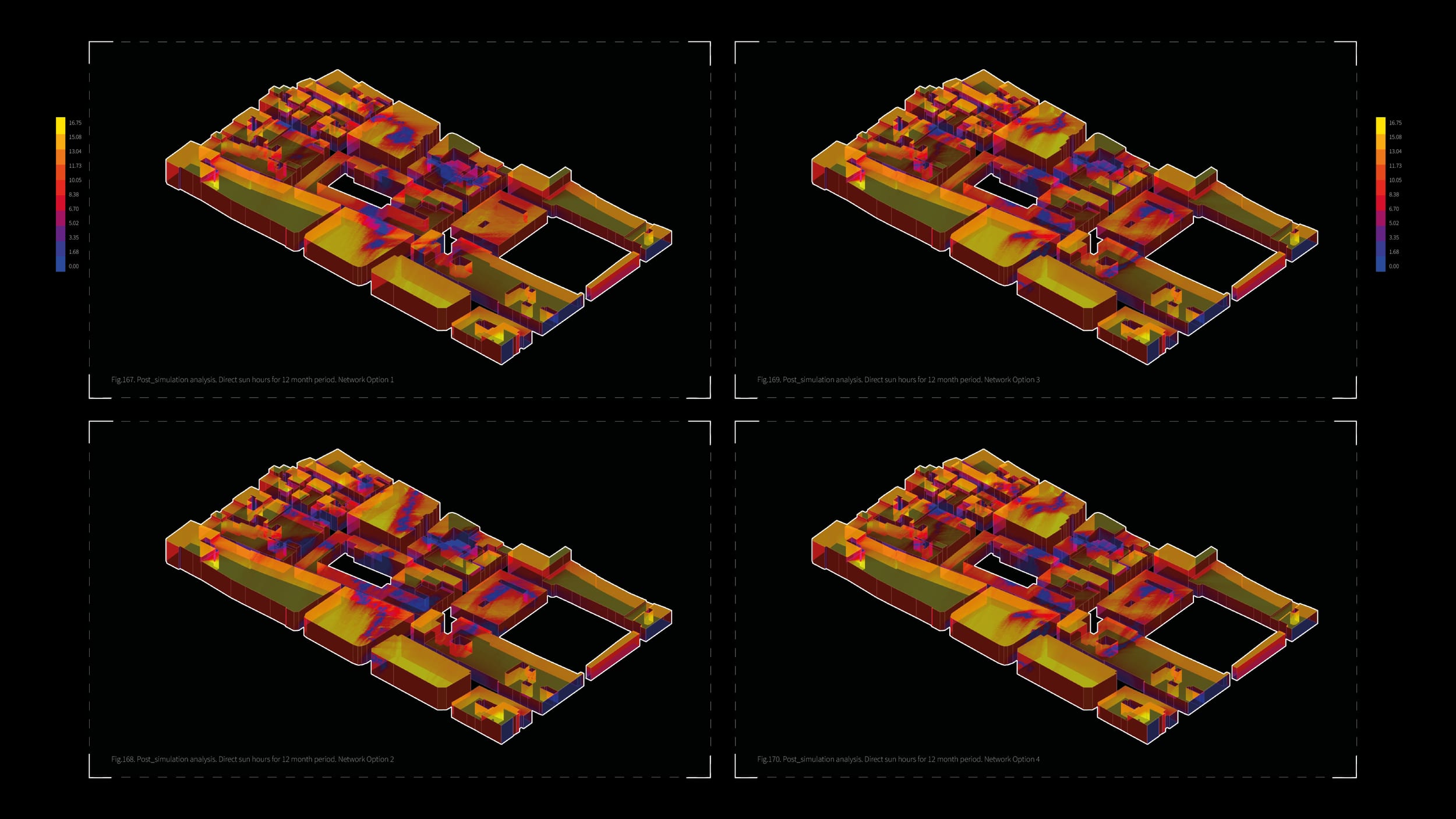
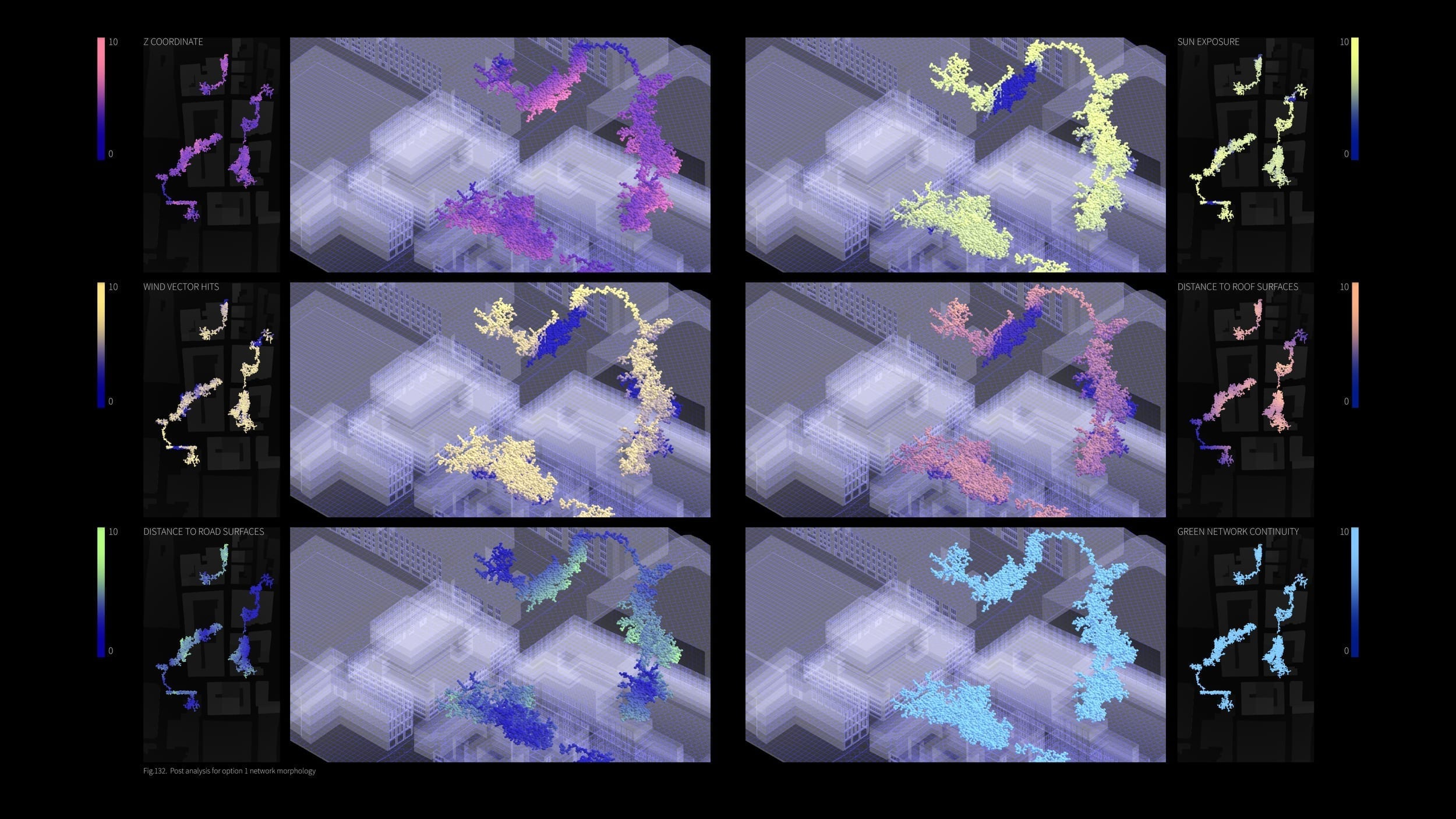
An analysis method was conducted in the design problem algorithm to examine the environmental parameters and their impact on the heat island effect. In order to define the exact area of the network implementation, several environmental parameters and their values were reevaluated to define the area with the highest heat island effect parameters; defined as the area for investigation. Generated data directly informed the area of investigation and simultaneously their functional distribution by running a comparative analysis between these parameters. The analysis extracted the exact quantities of each module that should be implemented in this particular area of investigation and their relationships to other problematic areas. For this goal, several further assessments were carried out, focusing in particular on sun exposure, heat emission, pollution, and green connectedness. The field of points was generated considering building constraints and subsequently, these points were tested toward the above-listed parameters.
Network Development
Global Network Development
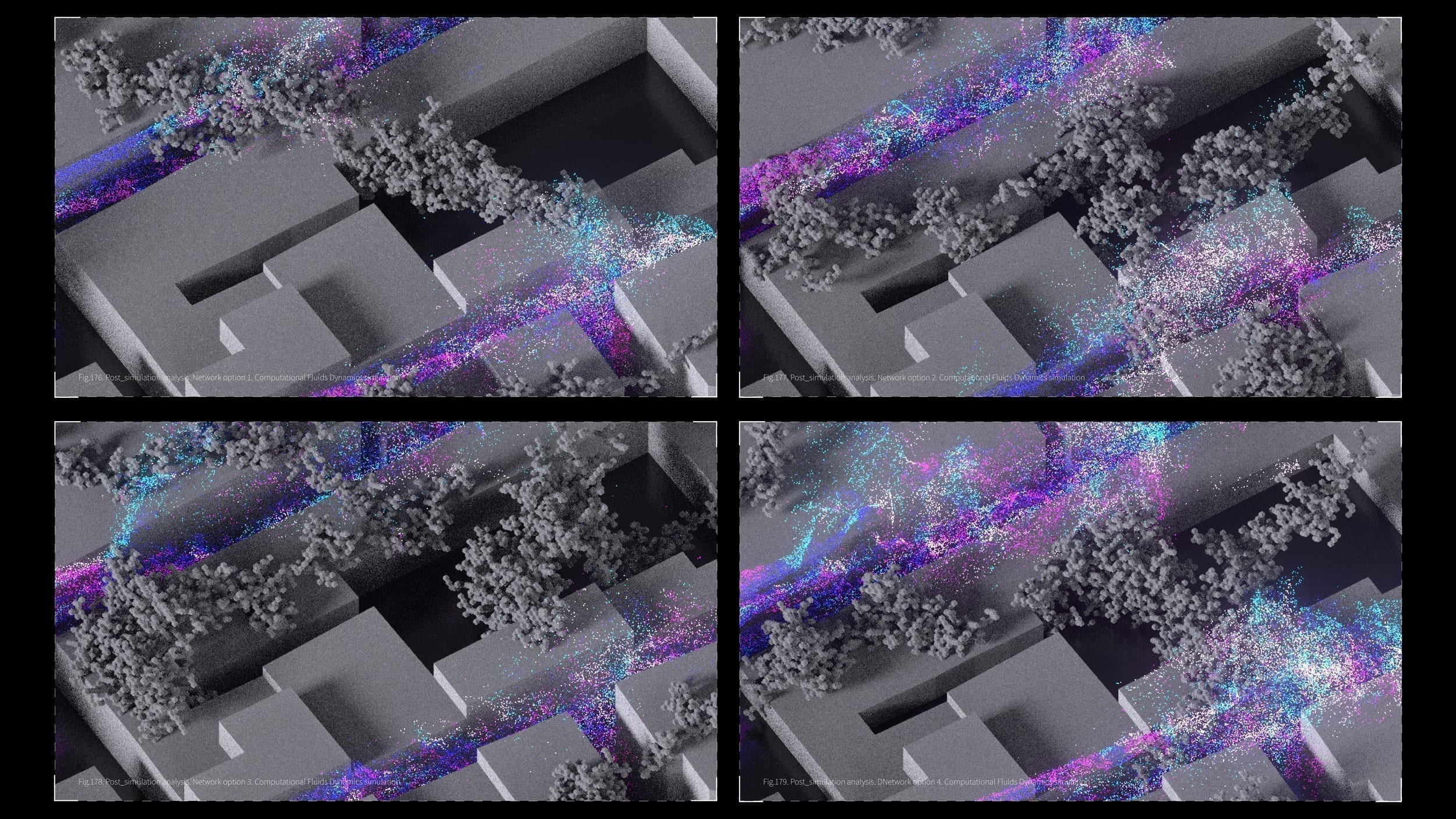
CFD Analysis
BIO_BOT
Solar Analysis
Index